
Platform about design and technology in the kitchen, home, and bathroom industry

How chain cooperation and knowledge sharing prevent mistakes and improve customer experience
"Why is there so little consultation before a product goes to market?" This critical but fair question was asked by Martin Jansen of MiMa Agency during an earlier meeting with fellow professionals. It essentially sums up what many professionals are up against. The kitchen industry consists of various disciplines: from appliances and worktops to kitchen cabinets, and the fitter ultimately brings everything together at the customer's premises, into one correct final product. Yet coordination between design, product development and implementation is not always obvious, even though there is a lot to be gained.

In this article, three experts share their views on "First Time Right": getting the kitchen right the first time, without repairs or unnecessary service. With a common thread: better cooperation, clear communication and structural knowledge sharing - the key to satisfied customers and a more professional industry.
Erik Teunissen, Business Development Manager at ATAG Benelux, is actively pursuing the coordination between the various
improve links in the chain. He consults with cabinet manufacturers, countertop manufacturers and retailers to make sure everything is
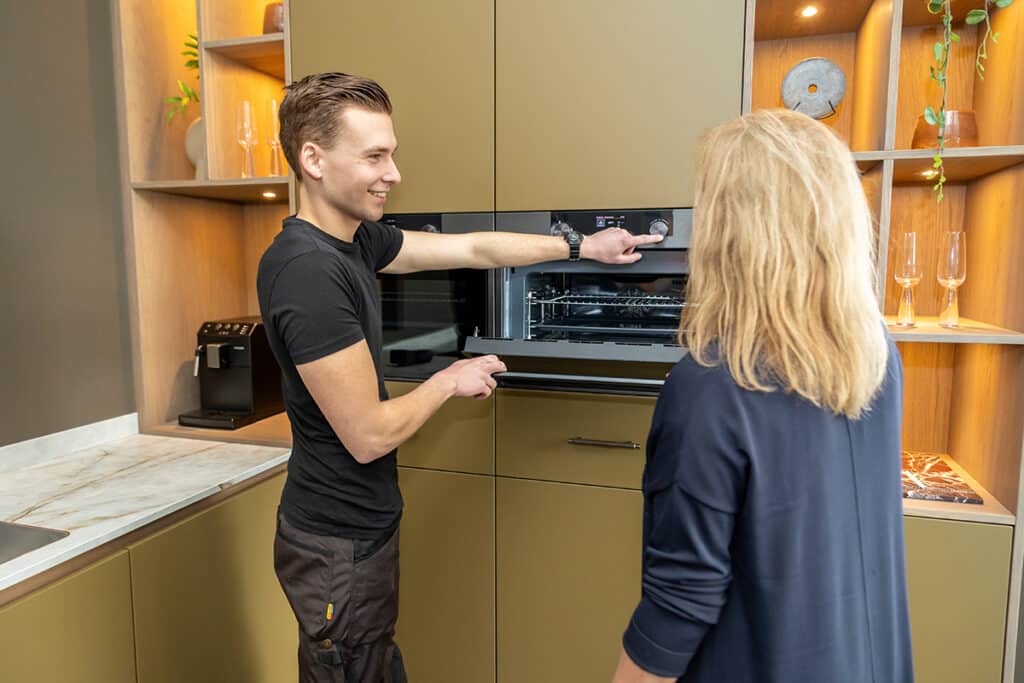
technically fit together. "If appliances don't match well with the kitchen layout, or it doesn't work properly, then suddenly the whole kitchen is perceived as bad. That's why, for example, we coordinate with cabinet makers on how ventilation works with an oven or cooktop. Also consider a dishwasher that pops open at the end of its program or a baseboard motor that requires extra space - these are things that you have to coordinate well in advance."
According to Teunissen, much profit lies in early consultation. "For example, we entered into a partnership with a major player in kitchen systems (SIEMATIC) in which two of their models exclusively use our equipment. This synergy allows kitchens to be offered in the best possible way and prevents mistakes during installation. We also train technicians in our Academy, so they take practical knowledge to the shop floor, such as how to correctly adjust a dishwasher with thicker front panels."
Yet he sees that something is still often missing in practice: utilizing available knowledge. "Many errors occur because questions are not asked. The information is there, but it has to be utilized. That's why we put heavy emphasis on knowledge transfer, through our account managers and through platforms such as Keukenwiki."
Knowledge assurance is also a major concern. "There are more and more new people coming into the industry. The older guard feels the responsibility and has things well organized, but how do we ensure that this knowledge is retained? At ATAG, all technical information is recorded in processes that are accessible to everyone. That knowledge base is actively managed, and other parties can also draw from it."
That broader view is essential, according to Teunissen. "It's not just about your own discipline anymore. Everything has to fit together - from equipment to worktops and cabinets. If you get that right, you prevent mistakes and ensure satisfied customers. Especially now that reviews can be all-important, faultless delivery is more important than ever. Of course you fix something if it goes wrong, but you'd rather prevent it."

Ben van Elk, Product & Marketing Director at Dekker Zevenhuizen, looks at error prevention from the worksheet perspective. He lists four common bottlenecks: ordering errors, transport damage, incorrect consumer expectations and misunderstandings about maintenance.
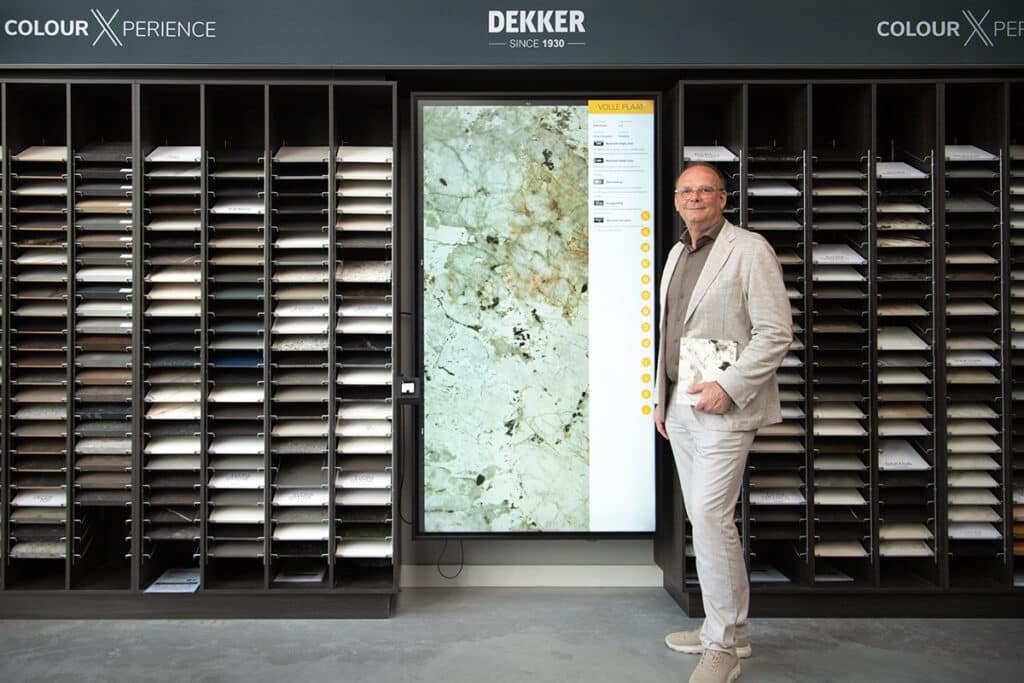
"We use tools that help prevent mistakes and manage expectations. Our ordering system Digitops visually illustrates what a top will look like, making important details such as tap holes or cutouts less likely to be forgotten. We also have the Colour Xperience (CXP) in our showroom: a tool that allows customers in our showroom or on a tablet to view the top in large format, including the veining. This prevents disappointment upon delivery."
According to Van Elk, First Time Right is about thinking along the whole chain. "With us, it starts with making a well-fitting worktop based on the order information. That requires precision and craftsmanship, because we produce everything to size. But it doesn't stop there. We optimize our packaging so that it's easier to handle during transport, think about on-site handling and train assemblers. Sometimes they have to be able to make small adjustments on the spot in order to deliver a kitchen correctly. Because one mistake can have major consequences for customer, retailer and supplier."

Communication about maintenance is also important. "Terms like 'maintenance-free' are quickly interpreted differently. We therefore consciously choose 'maintenance-friendly' and make sure the end customer also knows what that means. The maintenance properties of each type of worktop are also in our CXP tool. And we actively monitor whether it is viewed - we also learn from that ourselves."
All materials are also first extensively tested in Dekker's own lab for ease of maintenance, scratch resistance and heat resistance. "We only include products in the range if they meet our quality requirements," he says.
Van Elk sees collaboration as an important factor in error reduction. "We have a tremendous amount of information on our website and offer mechanic training at our Academy in Zevenhuizen. Within the worktop industry, there is a lot of willingness to share knowledge. We know each other well and look for each other on common issues, for example around sustainability or safety. We are each other's competitors, but share the interest of a satisfied end customer."
Ronald in 't Veld, Technical Trainer at DB Kitchen Group, knows from experience how important it is to get ahead of mistakes. "If information is incomplete or not clear, we have to improvise during assembly. That costs time, money and risks additional service. While it can also be done differently - by working together earlier in the process."
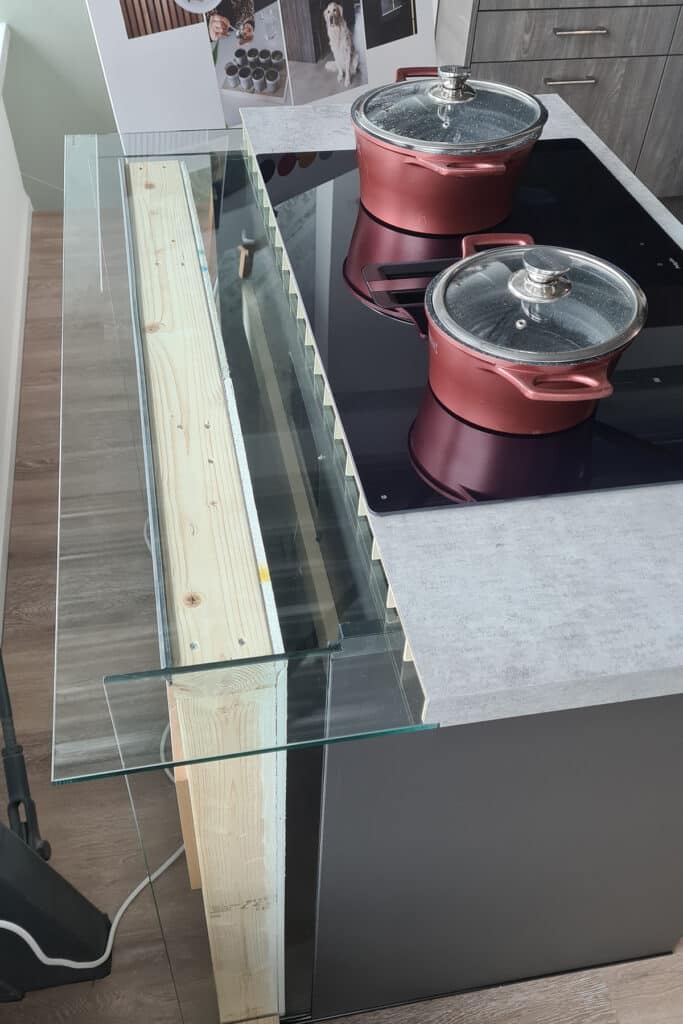
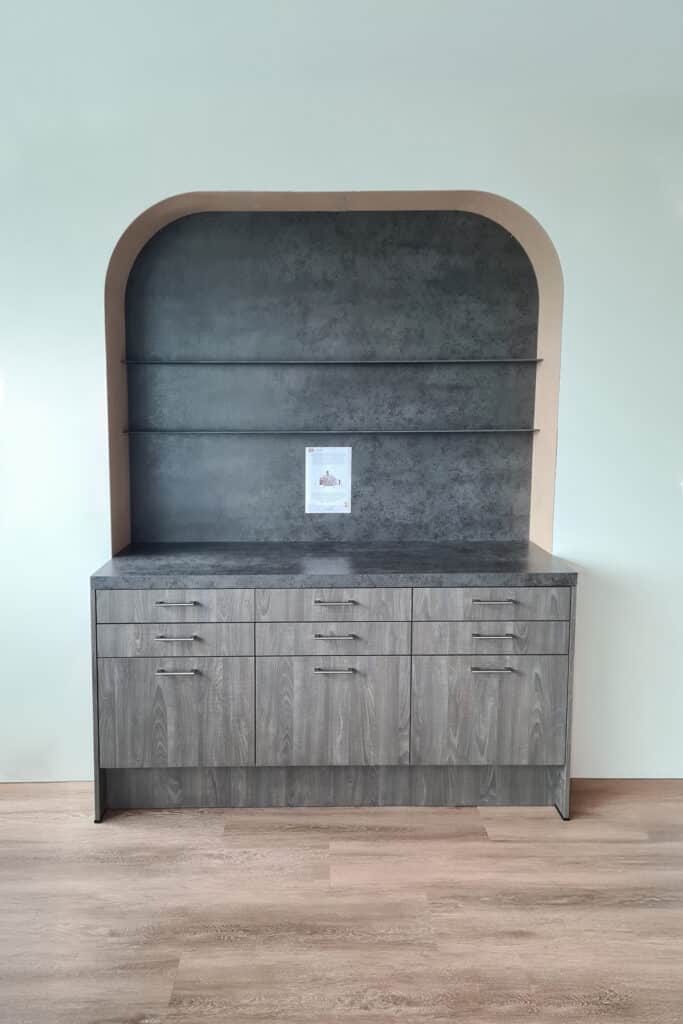
In 't Veld notices that mutual cooperation is improving. "We can't do it alone, even though we sometimes try. But the customer should never suffer because of the individuality of individual disciplines. That's why we proactively seek coordination. For example, on a project with rounded corners, together with Jetstone Deurne and Dekker Zevenhuizen, we coordinated the drawings in advance from the stand construction that was made, even before any sawing took place; this is how you bring the 'puzzle pieces' together perfectly. This prevents mistakes and the customer notices it in the quality of delivery. That should really be standard."
DB Kitchen Group invests heavily in knowledge assurance, standardization and training. "We train assemblers through the DB Vakcollege, use an electronic learning environment and send tech updates around. Our installation protocols are the common thread, established by a working group. These ensure that kitchens continue to function properly even after 10 years."
Practical knowledge plays a key role. "Engineers see where things go wrong and feed that back to suppliers. Sometimes this leads to product modifications. Think of the worktop material Greengridz: there turned out to be a challenge during assembly. After our feedback, several adjustments were made and a 2.0 version was created, which now saves time and frustration during assembly. Moreover, fitters feel heard."
Trade-specific knowledge also contributes to error reduction. "Take thin ceramic worktops: with 6 mm thick blades, you run the risk of cracks if you make an angled cutout. That's why we teach our fitters to grind out those corners round. A small handiness that prevents a lot of damage."
In 't Veld emphasizes that suppliers are increasingly knocking on DB Keukengroep's door to test products in advance. "This allows us to identify early on what could be improved. Better to improve now than fix it later." His final advice to kitchen sellers and suppliers: "Test new products earlier in the process with professional colleges or fitters. Their insights are worth their weight in gold and ensure fewer mistakes, fewer repairs and more satisfied customers."
What does First Time Right deliver? According to the three experts: fewer failure costs, less service, higher customer satisfaction and a more professional industry. Cooperation and knowledge sharing are not a luxury but a necessity. Because only by working together better and learning continuously will we get the kitchen right the first time - making the step from recovery to results and taking the kitchen industry to the next level.