Platform about design and technology in the kitchen, home, and bathroom industry

The circular economy is rapidly shifting from ambition to concrete application within the home appliance industry. Sustainability is no longer just about energy consumption and lifespan. Beko, for example, is committed to integrating recycled raw materials into their products without compromising on performance or quality. This makes circularity not only an environmental objective, but also a tangible part of product development and a relevant selling point for retail.
Beko highlighted its strength in circularity during Gobal Recycling Day. By integrating recycled materials directly into product components while maintaining high performance standards, the brand shows how innovation can contribute to more resource-efficient households.
According to recent EU research, citizens in 11 member states view promoting the circular economy as the most effective way to address environmental problems, with nearly six in 10 respondents saying they are willing to pay more for products that are easier to repair, recyclable or designed to reduce environmental impact.
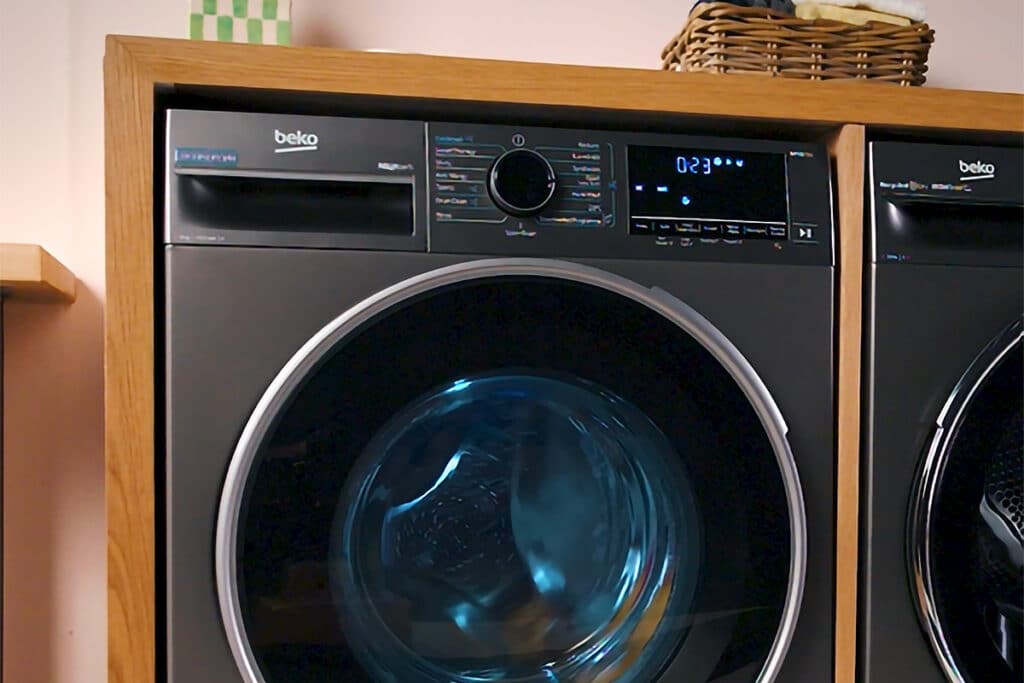
In response to this development, Beko continues to integrate principles of circular design directly into its products. This approach is reflected, among other things, in groundbreaking innovations in Beko's laundry appliances, such as RecycledTub. With RecycledTub, each washer and washer-dryer tub can contain material derived from up to 60 recycled 0.5-liter PET bottles. This initiative shows how the brand is working to close the cycle of plastic waste by incorporating high-quality recycled materials directly into the core components of its products.
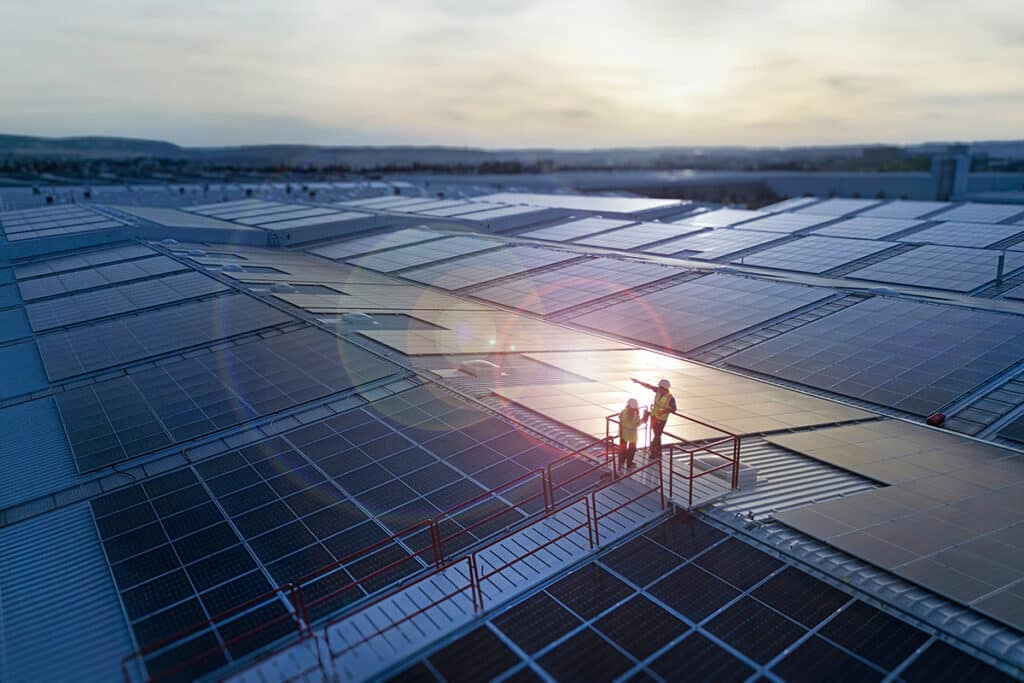
By 2024, Beko's parent company processed 98.8 million used PET bottles in the production of components within its product categories, across a multi-brand portfolio. In doing so, it uses its patented ‘Leopet’ material technology, which converts recycled PET into a high-quality alternative raw material. Since 2018, the company has incorporated more than 351 million used PET bottles into its devices.
In addition to materials innovation, Beko's parent company is rapidly scaling up its circular infrastructure. The Reduce-Refurbish-Recycle program is designed to extend the life of products and prevent electronic waste. By 2024 alone, the company will have refurbished more than 114,000 appliances worldwide, giving them a second life and making sustainable ownership more accessible.
At its UK refurbish and service location in Peterborough, Beko holds a stock of more than 100,000 different spare parts, accounting for approximately 1.7 million pieces, to support repairability and product life. The site also manages 55 packaging types and performs quality checks on up to 30% of refurbished products from various categories before resale. This contributes to zero waste to landfills since 2019. In addition, in 2024, Beko overhauled appliances in multiple categories in Italy with a dedicated team of 15 employees, offering them at 10-30% below retail price. In Romania, Beko aims to recirculate more than 75% of eligible products, underscoring the scalability of circular models.
These initiatives are part of a broader sustainability strategy that has earned Beko first place in the Household Durables category within the 2026 Corporate Knights Global 100. This recognition, along with the highest score in the S&P Global Corporate Sustainability Assessment (CSA) for the seventh consecutive year and a Gold Medal from EcoVadis, underscores that the company's environmental performance is driven by long-term commitment and measurable progress.
Neem dan rechtstreeks contact op met Beko.
 Contact opnemen
Our story begins in 1955, at the time when white goods became a fixture in every household. Since then, we have become Europe's favorite brand of freestanding home appliances. For the past 20 years, we have focused on innovation to make our customers' lives easier and healthier. The ease of use and practical [...]
Bekijk Bedrijfsprofiel