Platform about design and technology in the kitchen, home, and bathroom industry

Investing together in the professionals of tomorrow
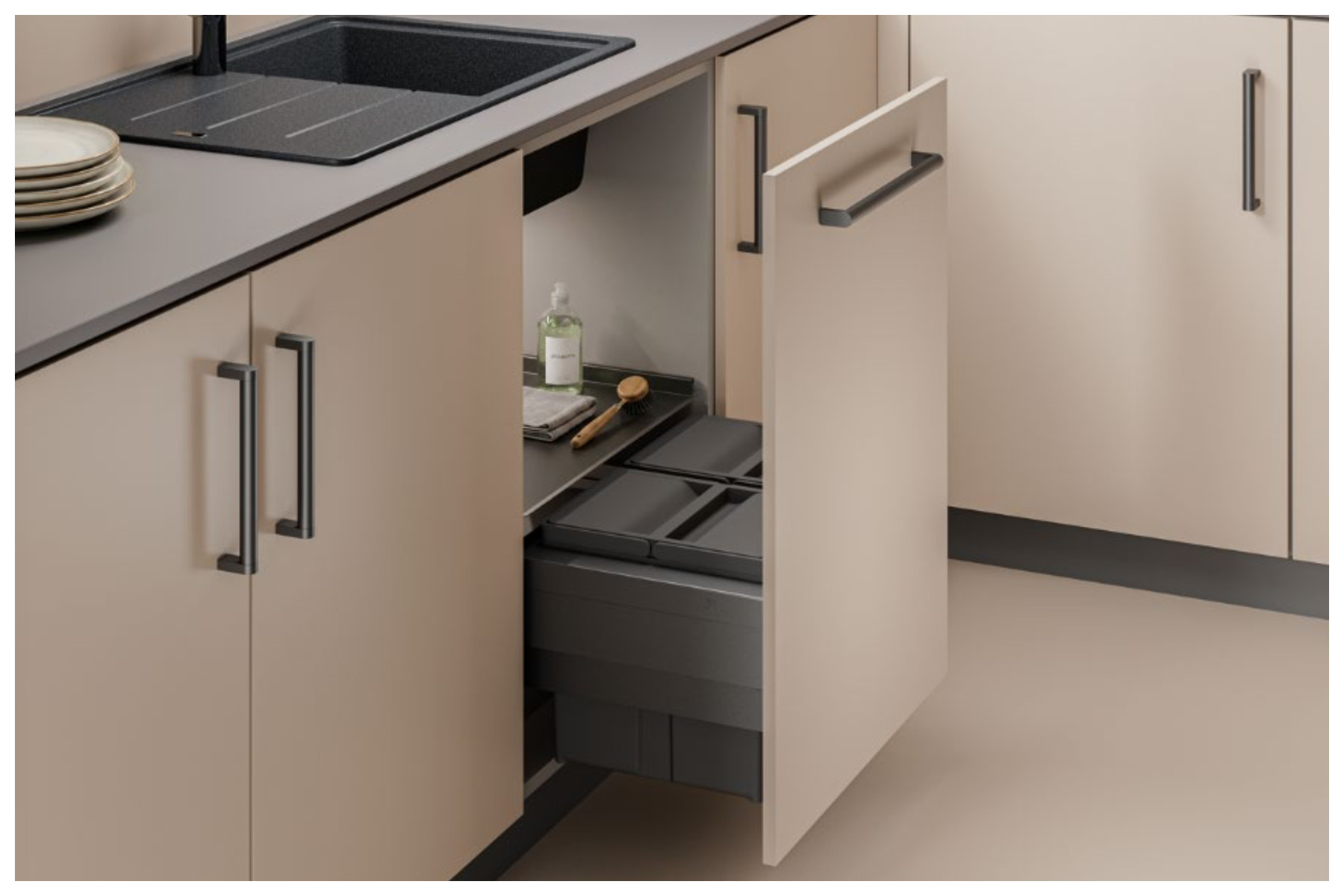
Assembly must be right the first time. The kitchen must fit flawlessly. Customers expect quality, speed and service, while the installation of a kitchen is becoming increasingly complex. But who will soon be assembling the kitchens? The industry is facing a growing shortage of well-trained professionals. The new generation is desperately needed, but how do you enthuse young people for the trade and train them to become good fitters or advisors?
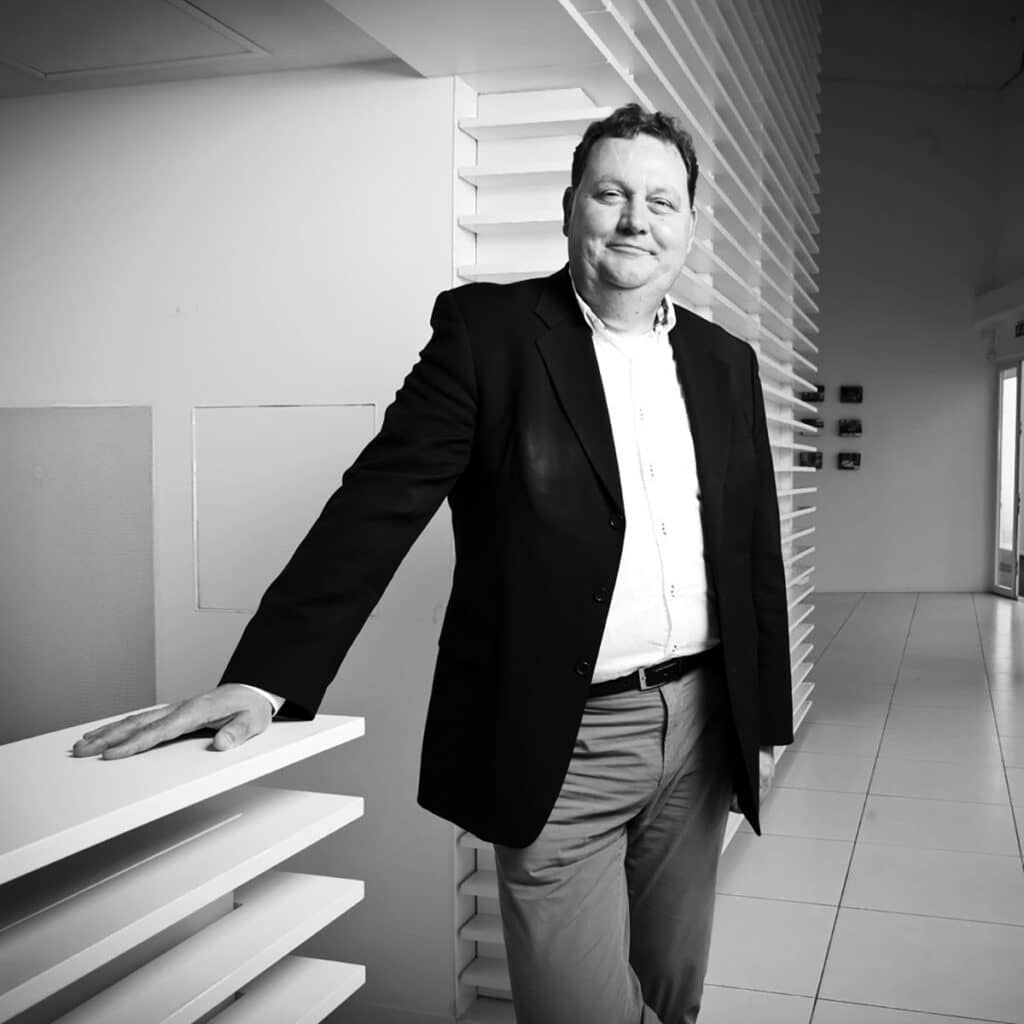
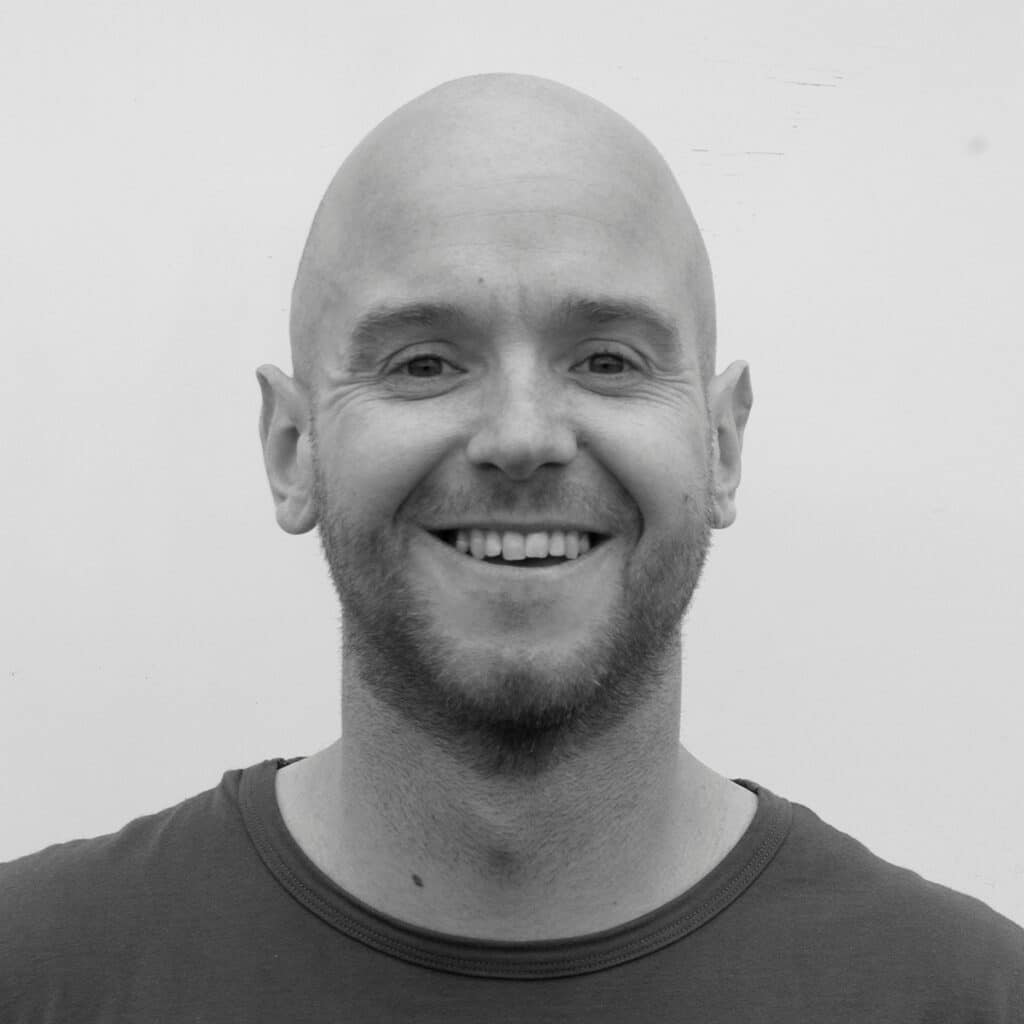
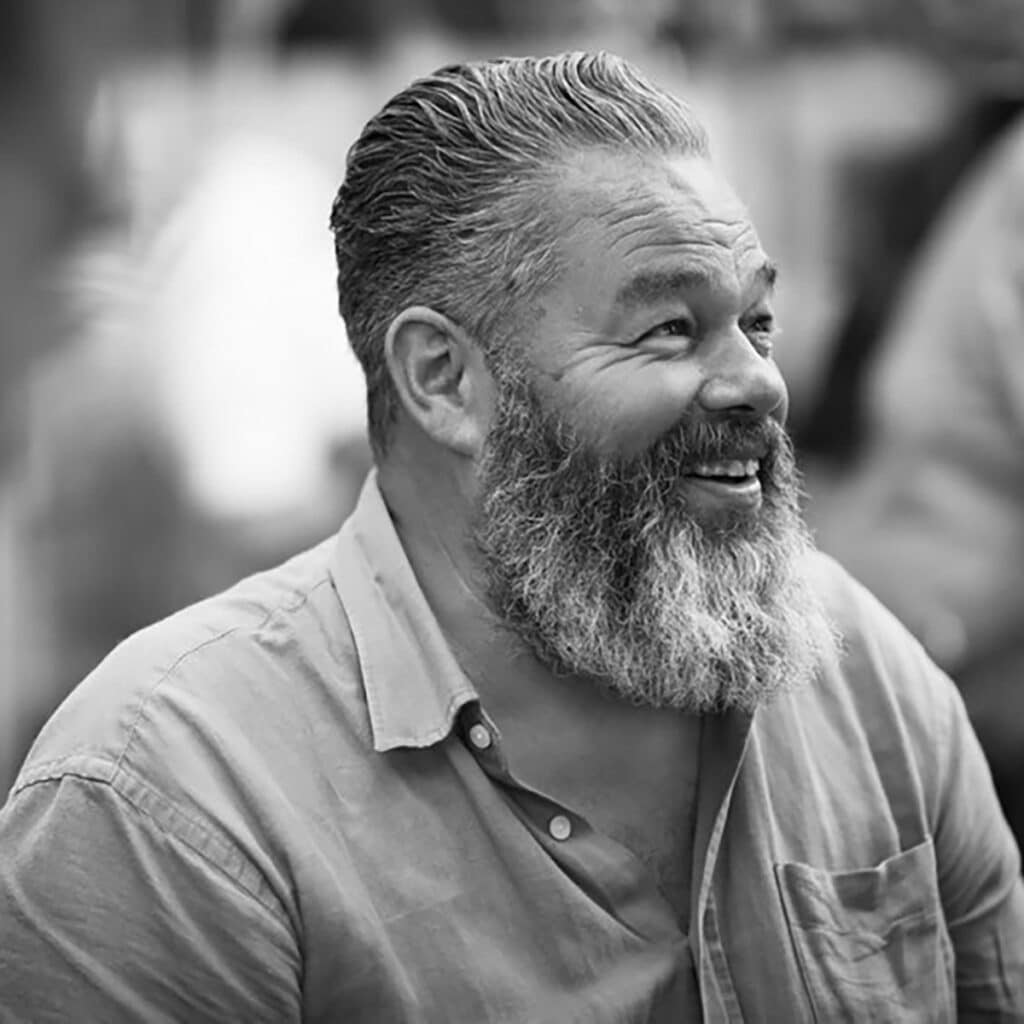
This article features three experts - Theo van Elk and Eduard Dijkhuizen on the BBL Kitchen Mechanic course and Bas Egeter of the Wood and Furnishings College (HMC) on the broader perspective of learning and recruiting. Their message is clear: the industry must invest in young talent and cooperate with education to secure the future.
The demand for specialized kitchen fitters does not come out of the blue. "Kitchens are becoming more and more complex," says Theo van Elk, Interior Craftsman Project Leader for INretail. "Think of boiling water taps, integrated extraction, but also durability and installation issues. That requires professionals who can not only install, but also work in a customer-oriented way and solve problems on site."
The BBL course Kitchen Mechanic came about at the request of the business community itself, with DB Group as the initiator. "In the past, mechanics often came from courses in furniture making or interior design," says Eduard Dijkhuizen, project leader of the Kitchen Mechanic consortium and a teacher at Deltion College. "But those people had to learn a lot on the shop floor. This profession has its own dynamics: you work in homes, have customer contact and must be able to think broadly technically. That's why specific training is needed with a clear profile."
In 2020, the first official BBL training started. The concept is effective: four days of work in a training company and one day of school. The qualification dossier at levels 2 and 3 defines exactly what a mechanic must be able to do, from technical installations to customer communication. Within the consortium, four ROCs are working together with trade association INretail and companies such as DB Group on teaching materials, examinations and practical supervision.
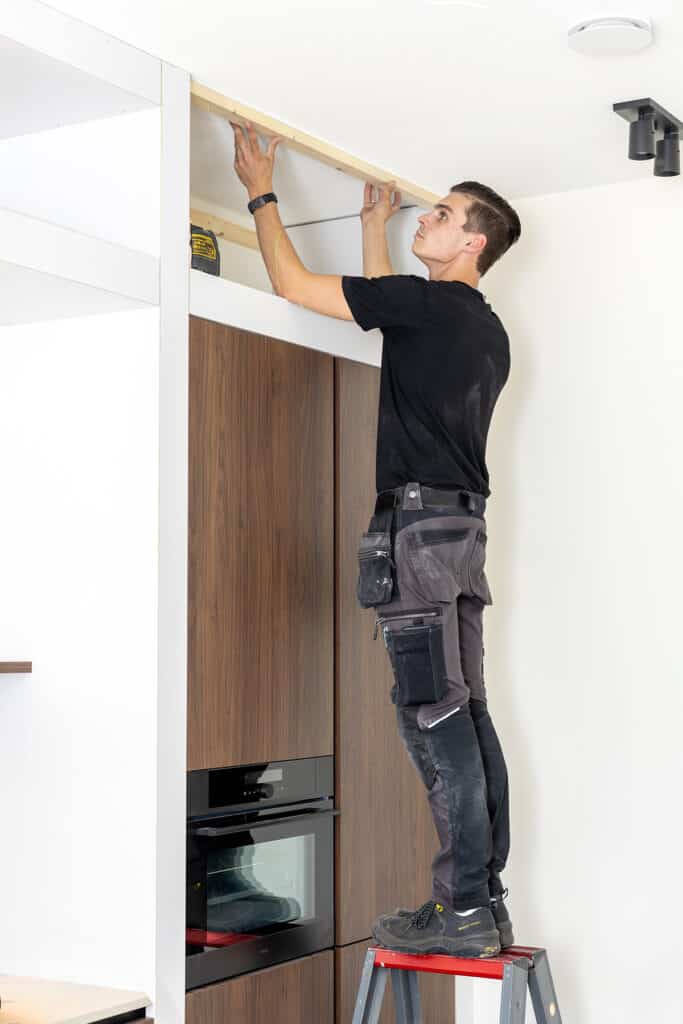
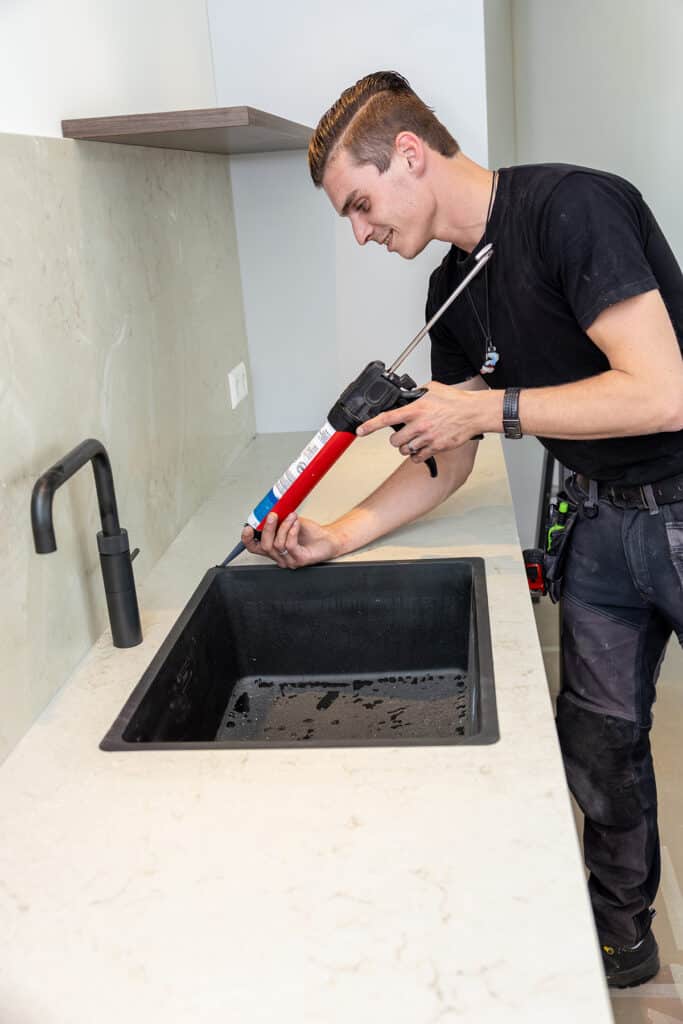
"The great thing is that education and business are really developing this together," says Van Elk. "We continuously update the education with practical experience and new techniques. For example, business helps with equipment or kitchen blocks for school, so students can work with current products."
Dijkhuizen emphasizes that this collaboration is widely supported. "Retailers do not see this as competition for their own Academies, but rather as a complement. Those internal training programs are often for experienced employees or lateral entrants. This BBL training is precisely to get young people from 16-17 years old into the industry."
Still, there is work to be done. "The foundation is in place," says Dijkhuizen, "but recruitment could be better. This year about 60 students started, while there is room for 150. The biggest challenge is reaching and convincing young people. For that we need to involve the VMBO much more and show them how beautiful this profession is."
According to both men, there is an important task for the business community here. "Retailers and suppliers can help with guest lectures, open days and assignments," says Van Elk. "And you need different generations on the shop floor to reinforce each other: experience as well as new ideas."
Dijkhuizen adds: "A good apprenticeship company provides a practice supervisor and should have time and attention for an apprentice to practice all parts of the trade. In the end, this also gives them something: a well-trained employee who is immediately employable."
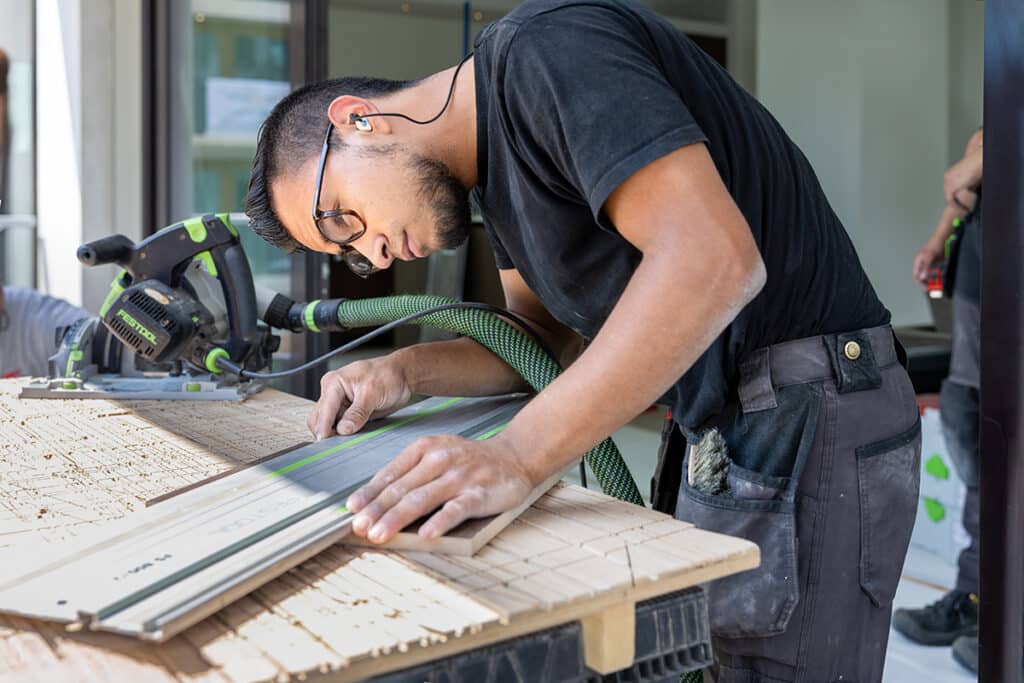
Bas Egeter, BPV coordinator at HMC, also sees recruiting and training young people as a joint responsibility. "The kitchen industry is fully integrated with our furniture making and interior design courses. Students work on projects that can include all facets of a kitchen - from design to assembly. But the kitchen mechanic profession has really become a specialty with additional requirements in terms of technology, installations and customer contact. That's why we're glad that this separate course is now in place."
He notes that it is sometimes challenging for HMC to compete with internal academies of large kitchen companies. "They often train their own people, which makes sense. But our BBL training offers a nationally recognized diploma, which allows students to be more broadly employable and to work for other employers as well."
According to Egeter, enthusing young people is mostly about personal contact. "We organize several open days a year and cooperate with companies that show their work and opportunities. That works. Young people want to experience what it's really like."
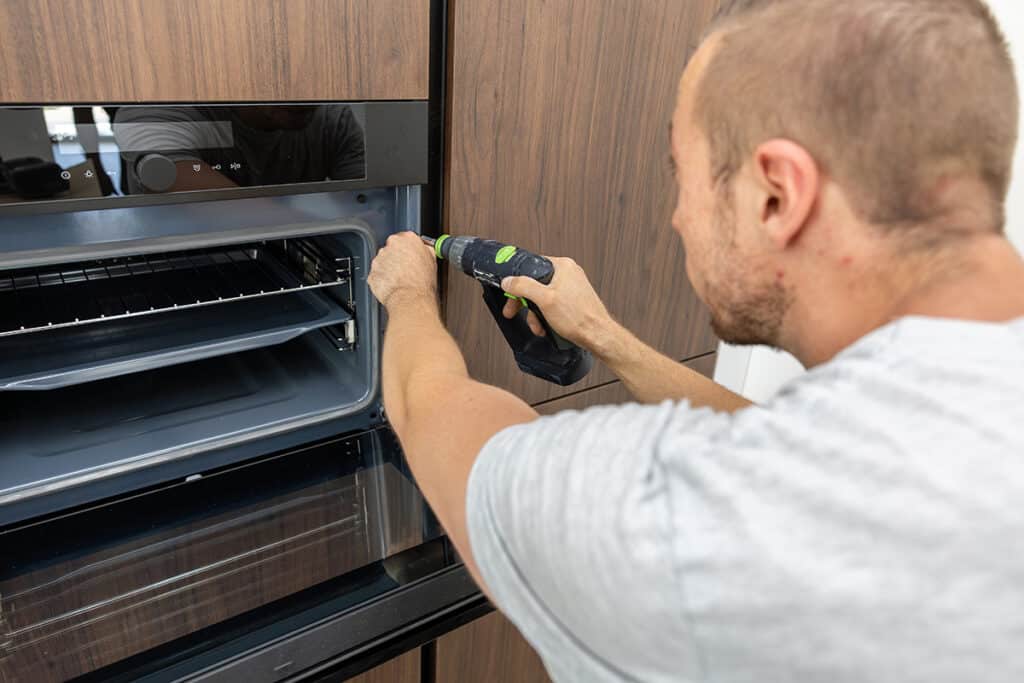
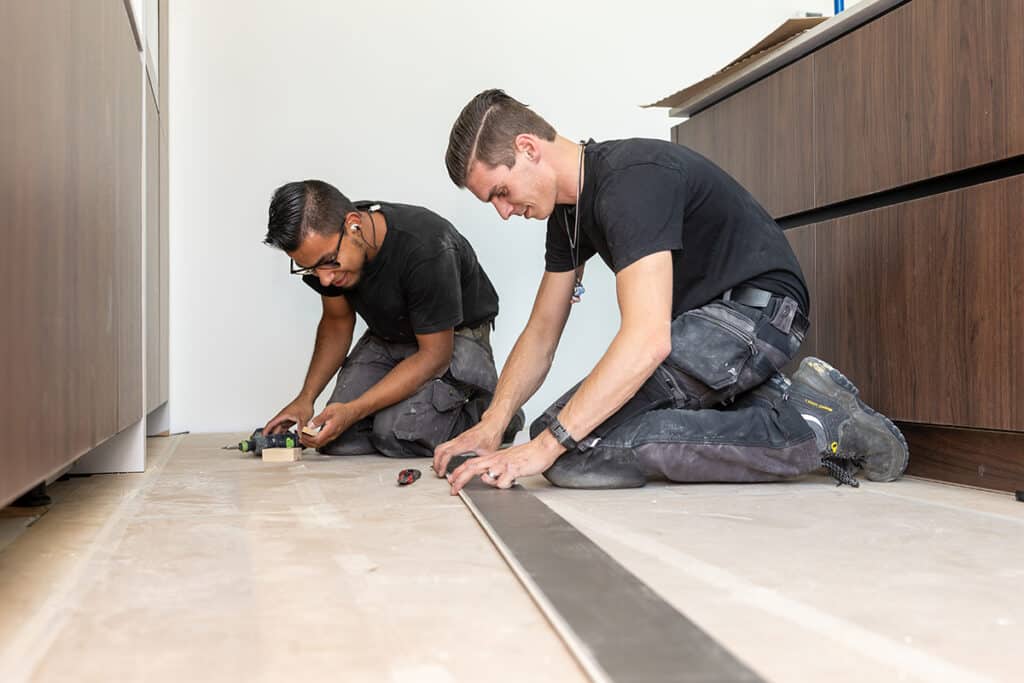
Internships play a key role in this, Egeter believes. "We assess training companies together with SBB (Samenwerkingsorganisatie Beroepsonderwijs Bedrijfsleven) on safety, supervision and whether all exam requirements are feasible. A good apprenticeship should not just be an obligation, but an opportunity to retain young talent. And companies must realize that sometimes there is also a generation gap. Young people have a different work mentality, value leisure time more and communicate differently. That's not a question of better or worse - but different. You have to respond to that."
His advice to companies is clear: "Invest in good coaching, be clear about expectations and show understanding of their lifestyles. If you do that, you will get back motivated employees."
Investing in training and young talent is not an option but a necessity to future-proof the industry. Only through cooperation between schools, companies and industry associations can the profession remain attractive. Companies do not have to wait for solutions from others: they themselves can actively interest young people, offer good guidance and thus build the professionals of tomorrow - delivering each kitchen with pride and craftsmanship.
Want to learn more about the BBL Kitchen Mechanic course or contribute as a company to training young talent?
Then contact: Theo van Elk (info@interieur-vakman.nl) Eduard Dijkhuizen (edijkhuizen@deltion.nl) (consortium Kitchen Mechanic) or with the HMC at: Eva de Jongste (e.dejongste@hmcollege.nl).