
Platform about design and technology in the kitchen, home, and bathroom industry

The open kitchen has now become so natural that consumers increasingly desire an interior that forms a unified whole. The kitchen is no longer a separate project, but an integral part of the living space. And that is radically changing the playing field for the traditional kitchen specialist. This will not be new news to you - dear reader. But the question is: Are you already acting on it in the showroom?
Most showroom salespeople have been shouting it for years: the open kitchen is the standard. And they're right. In the average new construction home today, the kitchen flows seamlessly into the living room. No walls, no doors - just a kitchen island, bar or wall arrangement that visually matches the rest of the interior.
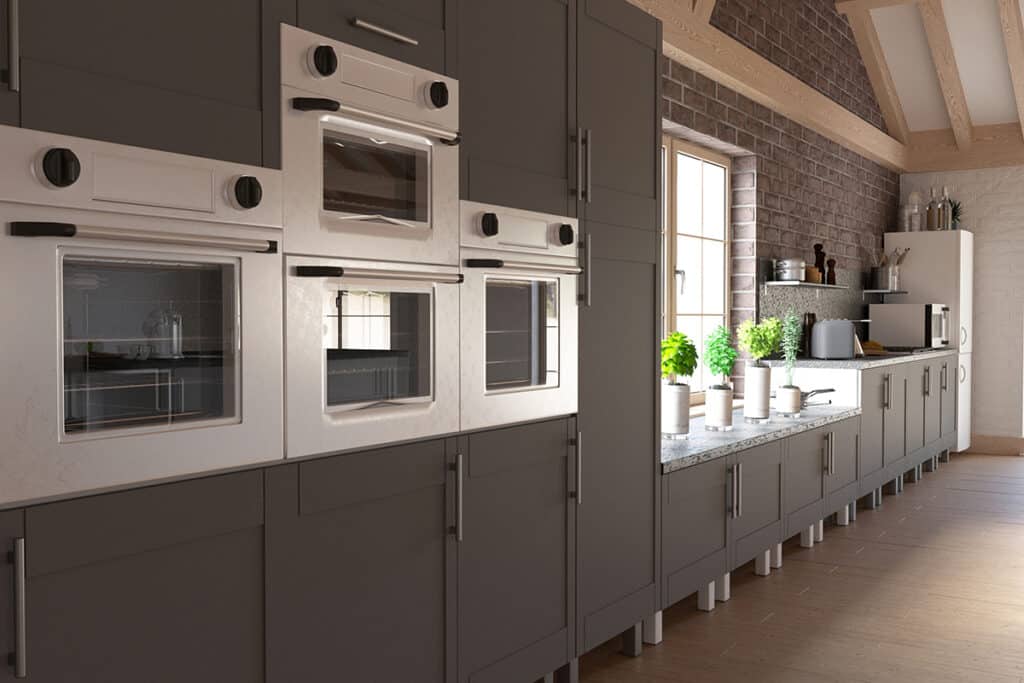
But if you look closely, you will see an interesting development: with the disappearance of the kitchen wall, the obviousness of the traditional kitchen specialty store as the sole discussion partner for the customer is also disappearing. Because today's customer wants more than just a kitchen. They want harmony. An overall picture. A space where kitchen, floor, furniture, lighting and color palette are in harmony. And who delivers that? Exactly: the interior designer.
Interior designers have historically already had a broader perspective. They think in continuous lines, recurring materials, proportions between spaces, light. And: they often simply include the kitchen in their overall design. Not an island in itself, but part of a living environment.
That approach is catching on. Increasingly, consumers are opting for one party that provides "the whole picture" - and that is no longer always the kitchen specialty store.
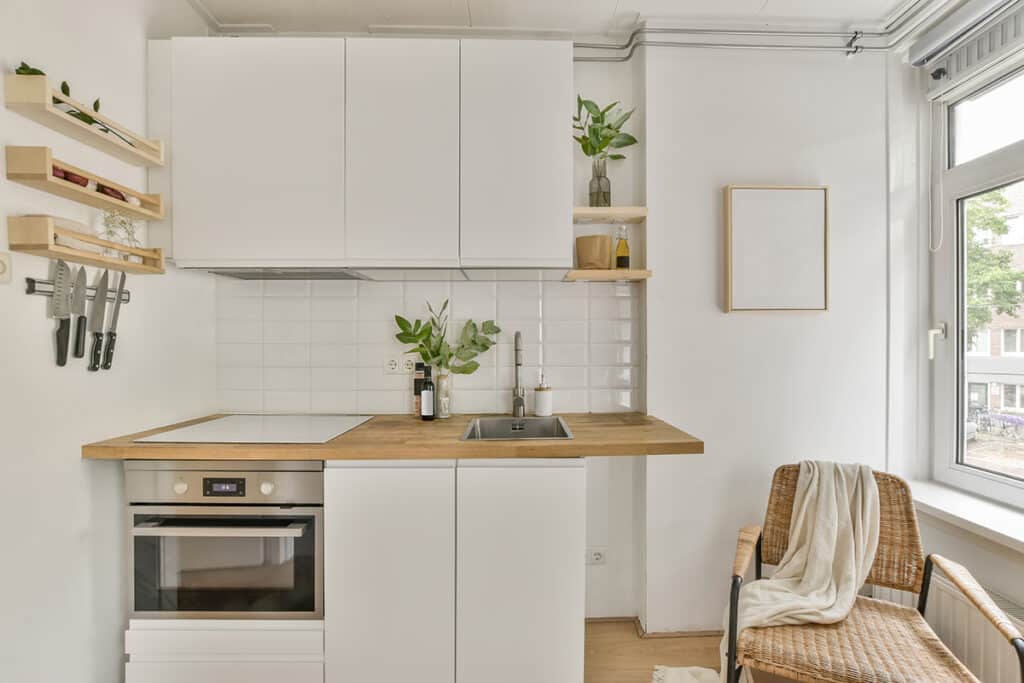
So the key question is: Do kitchen showroom sellers already have this competitive battle in their sights? And more importantly, are they already taking action on it?
Because let's face it: when the kitchen is no longer a closed domain, as a salesperson, knowing only about fronts, handles and countertops is no longer enough either. You also need to know something about floors. About wall colors. Of furniture fabrics. Maybe even about sofas, lighting and acoustics. After all, an interior is more than the sum of its kitchen elements.
That doesn't necessarily require a career switch to interior stylist, but it does require a broader view. A realization that your advice affects the entire space. And that a kitchen that looks "loose" is less likely to sell than one that matches the rest of the house at a glance.
So the rise of the interior designer is not a threat, but an invitation. An opportunity to reposition your role as a kitchen specialist: not as a seller of individual elements, but as a director of a spatial overall picture. Because if you want to win in the showroom, you have to look beyond the kitchen. Literally.