Platform about design and technology in the kitchen, home, and bathroom industry
The modern kitchen has perhaps become the smartest room in the house. Ovens recognize dishes using a camera, stovetops communicate with range hoods, apps send recipes directly to appliances, and AI tells us exactly how much longer a salmon fillet needs to cook. You hardly even have to answer the question ‘What’s for dinner tonight?’ yourself anymore. Just enter a few ingredients, and an algorithm does the rest.
But sometimes an unsettling thought creeps into my mind. What actually happens when the power goes out?
That question is less theoretical than it would have been a few years ago. The Netherlands is increasingly grappling with grid congestion. During peak times, consumers are asked to spread out their electricity usage. New residential neighborhoods and businesses sometimes have to wait for a connection because the power grid is at capacity. And then there are the unexpected power outages, such as the recent one in Tilburg, where thousands of households were temporarily without electricity. That certainly gives you pause for thought.
At the same time, we’re investing heavily in increasingly smart kitchens. We can preheat the oven remotely, get a notification when the lasagna is ready, and let sensors determine whether the chicken is cooked enough. These are fantastic innovations that make cooking more accessible, precise, and convenient. But do we even know how to boil water without an induction cooktop anymore?
It almost sounds like a lame joke, but the question is surprisingly serious. If both electricity and the internet were to go out temporarily, how self-reliant would we still be? Do we know how to prepare a simple meal without digital help? Can we still improvise when the screen goes black and the app stops giving instructions? Maybe we should give that some thought. Not out of fear of disaster scenarios, but because technology is making us increasingly dependent without us even noticing. Convenience is wonderful—until it’s suddenly no longer available. And we haven’t even mentioned someone like Putin, who might suddenly decide to send a few strategic drones into Dutch territory. With all the consequences that entails.
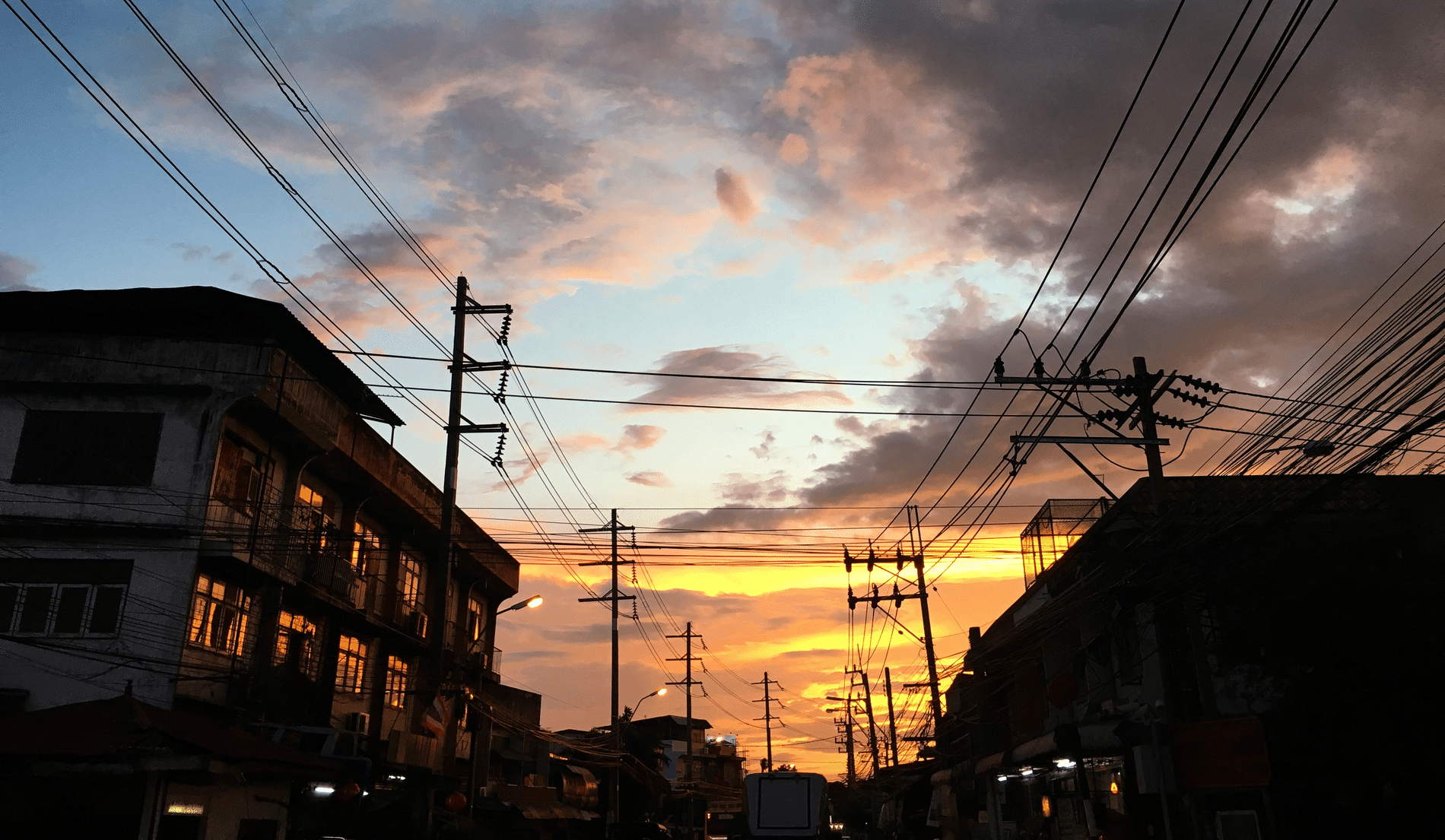
That’s why I’d like to advocate for a new practical course in school: ‘Surviving in the Kitchen When Everything Goes Wrong.’
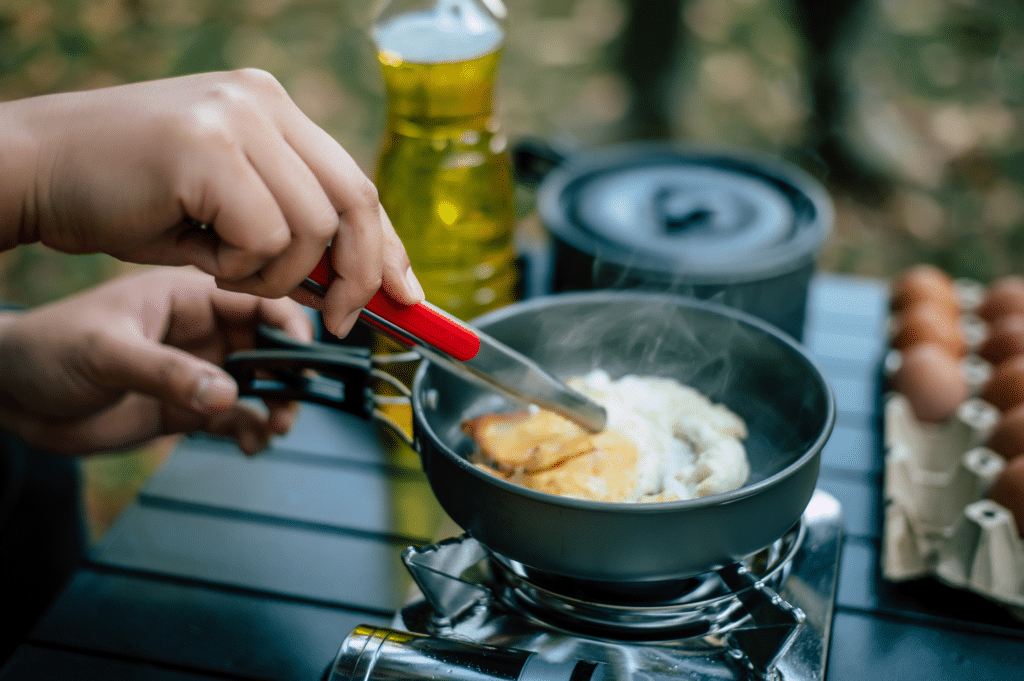
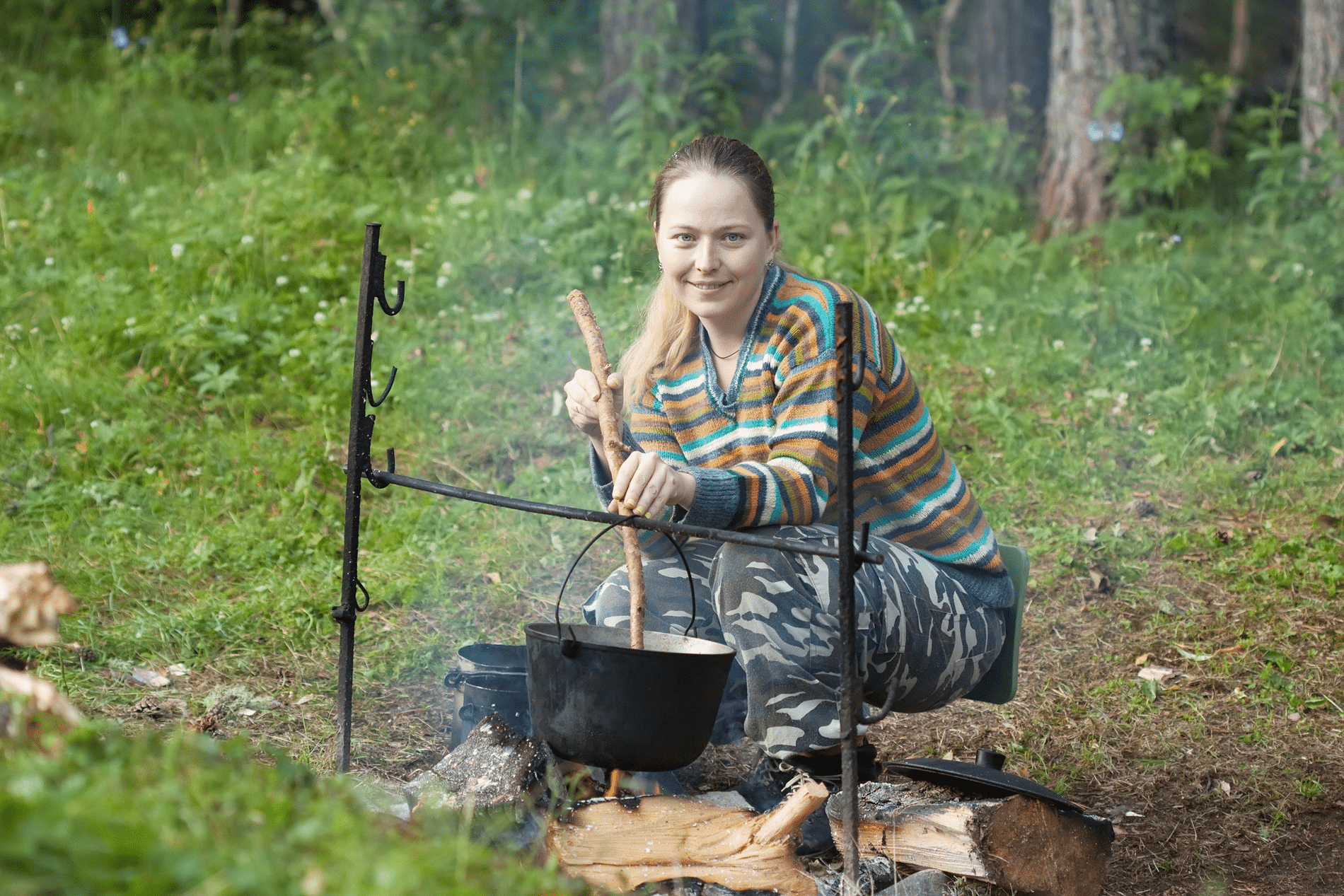
How do you prepare a meal with minimal resources? How do you safely use a gas burner or camping stove? How do you store food when the refrigerator is off for hours? And perhaps the most difficult challenge of all: preparing a recipe without looking at your smartphone even once. I suspect a surprising number of people would fail that test. Everyone will also wonder (and that’s a good thing!): How did we even manage that a hundred or two hundred years ago?
For the kitchen industry, this might be an interesting idea. Innovation doesn’t just have to get smarter; perhaps it can also become more robust. Appliances that excel not only in connectivity, but also in simplicity, reliability, and ease of use when conditions are less than ideal. Because ultimately, a kitchen isn’t about Wi-Fi, sensors, or artificial intelligence. A kitchen is about cooking. About eating together. About creativity. And sometimes, it’s simply about being able to bring a pot of water to a boil. And when things get tough… about survival.