
Platform about design and technology in the kitchen, home, and bathroom industry

It surely hasn’t escaped your notice: the kitchen industry is on the cusp of a technological revolution. Smart ovens recognize dishes. Refrigerators automatically reorder milk. Range hoods communicate with cooktops. And AI? It’s now quietly making its way into the kitchen as if it were the most natural thing in the world. But at the same time, an uncomfortable question arises. What happens when that technology no longer just helps, but also starts to correct?
Imagine the following scenario. A smart air fryer uses cameras to scan who is in the kitchen. The system detects that the user is severely overweight. A notification then appears on the screen: “Based on your health profile, we recommend a healthier meal. The ability to make fries is currently blocked.”
Does that sound absurd? Maybe. But technically speaking, we’re closer than many people think. AI can already recognize faces, analyze moods, and interpret health data. Smartwatches track heart rate, weight, sleep patterns, and calorie burn. Kitchen appliances are connected to apps, cloud services, and personal profiles. The next step isn’t technologically complicated. The only question is: do we want to take that step?

Because let’s be honest: obesity is a massive social problem. Healthcare costs are skyrocketing. Governments are introducing sugar taxes. Fast-food chains are facing increasing criticism. So why shouldn’t technology help people live healthier lives? That sounds noble—until the kitchen suddenly goes from being an assistant to a disciplinarian.
Because where do we draw the line? Will a refrigerator soon be allowed to warn us that we’re taking out too much beer? Should an oven refuse to bake a pizza if it exceeds a certain calorie limit? And who actually gets to decide what’s ‘unhealthy’? Silicon Valley? A manufacturer? An insurance company?
The problem is: the temptation will be great. Not only from a health perspective, but also commercially. Insurance companies will want to offer discounts to consumers who share their ‘healthy cooking habits’ via smart devices. Manufacturers will use sustainability, health, and prevention as marketing tools. Governments will be watching. After all, data is becoming the new kitchen utensil. And in the meantime, consumers will just be frying up some fries on Friday night.
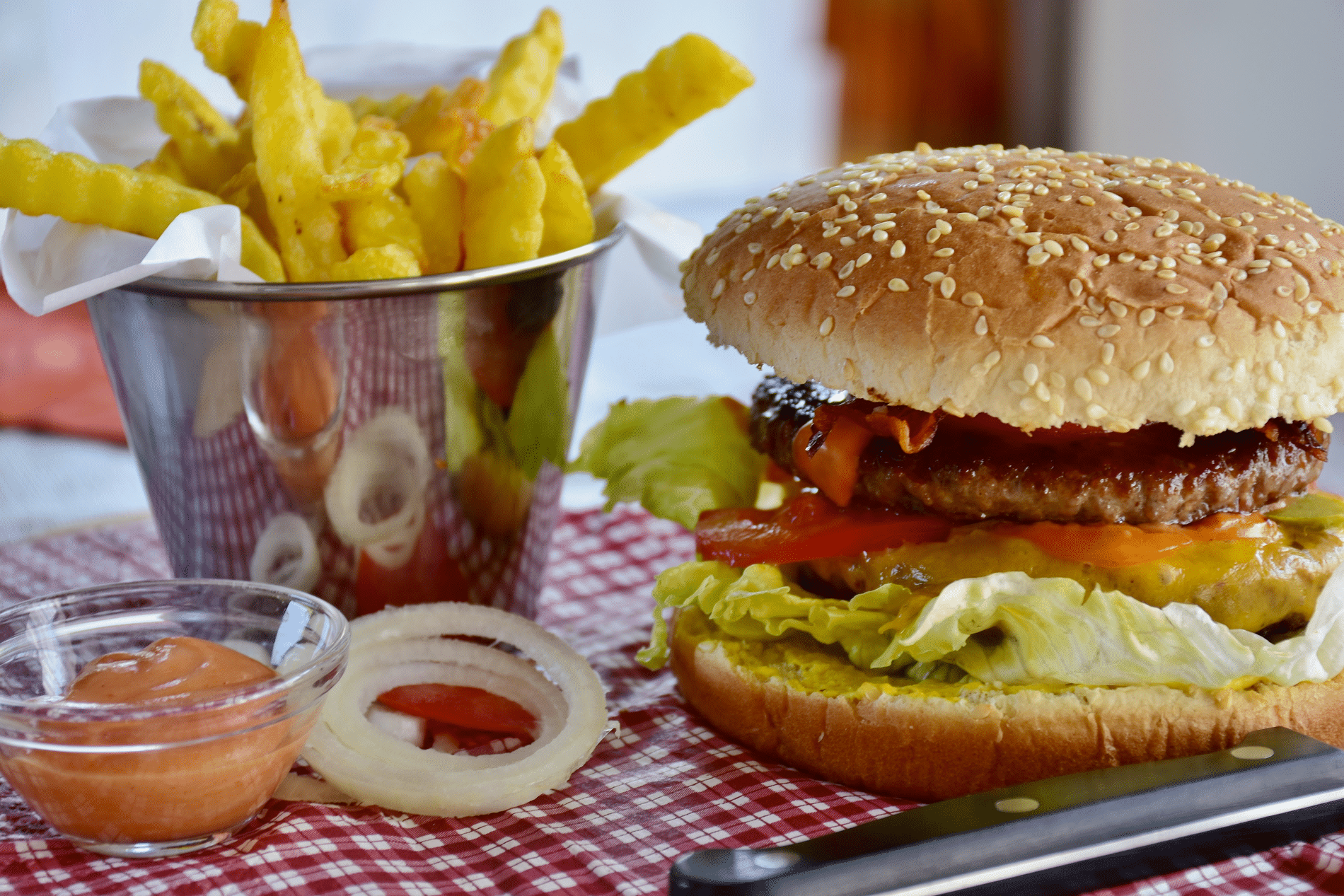
Perhaps that is precisely the crux of the dilemma. The kitchen has traditionally been a place of freedom, conviviality, and temptation—not an extension of a digital nutrition coach who, with a wagging finger, dictates what is and isn’t allowed.
At the same time, we can’t be naive. AI is going to play a huge role in the kitchen industry—from inventory management to personalized recipes, and from energy optimization to health applications. That’s inevitable. And to be honest, many of these applications will be fantastic. But as soon as technology starts to dictate behavior, the relationship between humans and machines changes fundamentally. Then the kitchen is no longer just a tool. It becomes a moral control center.
Perhaps we, as an industry, should start asking ourselves right now where the line is drawn—not only after the first manufacturer proudly announces that its smart oven ‘actively corrects unhealthy eating habits.’ Because it always starts off friendly. With advice. With convenience. With optimization. Until the air fryer refuses to fry French fries. Big Brother Is Watching You.