Platform about design and technology in the kitchen, home, and bathroom industry
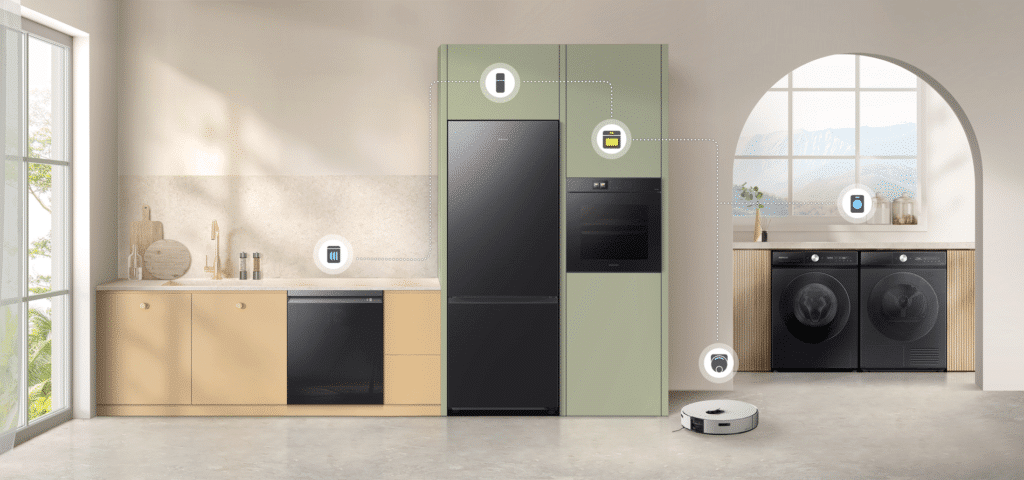
With the SmartThings platform, Samsung is focusing on further integrating smart kitchen appliances. The system connects devices within a single network and enables remote control and monitoring. This shifts the focus from ‘connected’ to practical applications in everyday use.
The platform builds on the technological expertise from Samsung’s various divisions. “We combine insights from multiple product groups,” says Maurice Howldar of Samsung. “This allows us to develop features that truly cater to how people use their kitchens.”
Kitchen appliances come standard with Wi-Fi or Bluetooth connectivity, allowing users to control their functions remotely. “Preheating an oven while you’re on the go is no longer a vision of the future, but everyday reality.”
According to Samsung, the role of artificial intelligence is to simplify tasks. “AI gradually learns the user’s behavior,” Howldar explains. “Based on those patterns, we automatically control devices. The user doesn’t have to actively do anything.”
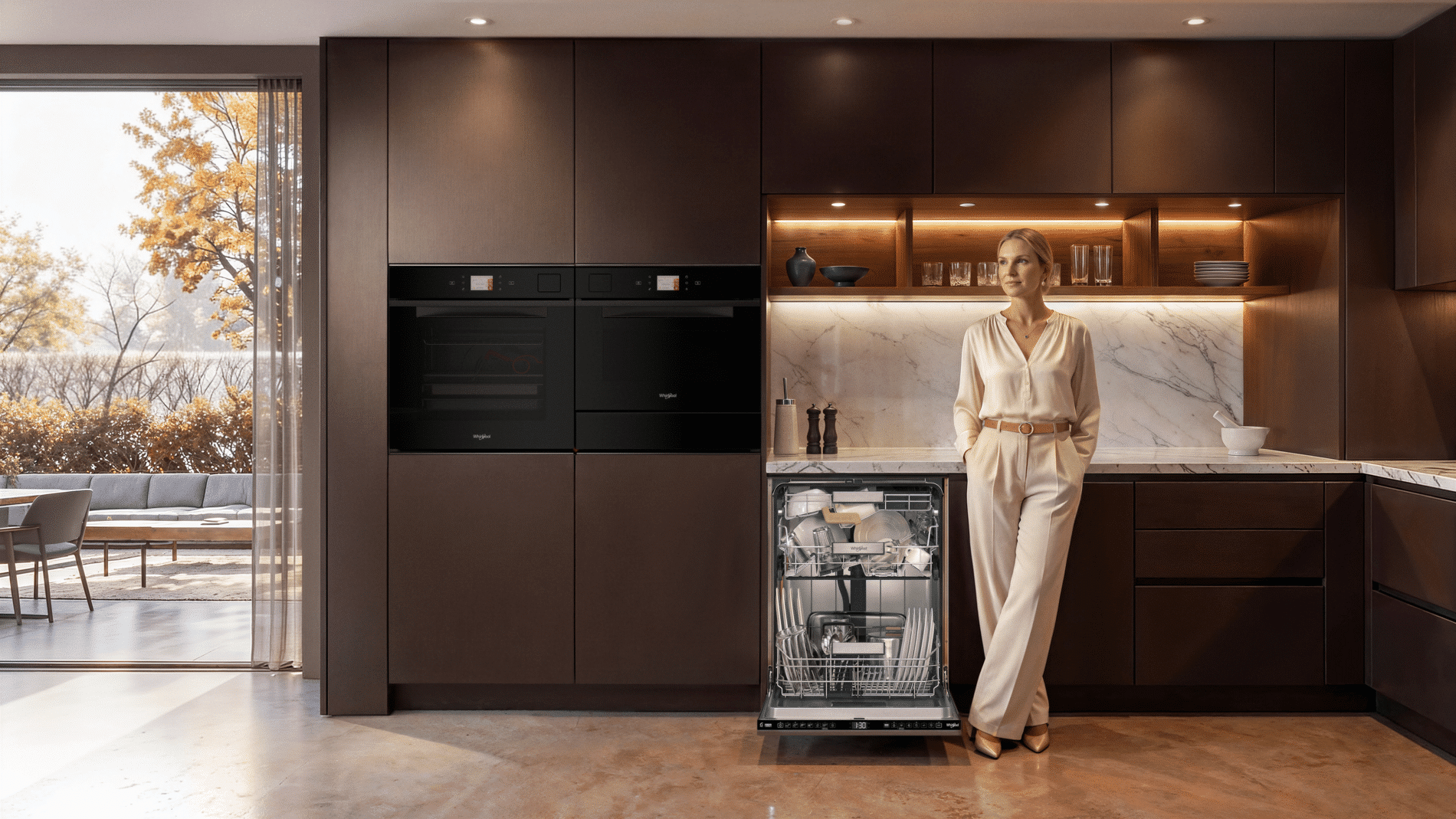
This technology is put into practice in the new generation of dishwashers. With features such as AI Wash, the system continuously analyzes the level of dirt in the water and on the dishes and adjusts the program accordingly. “The system intervenes during the cycle when necessary. This results in improvements in energy efficiency, performance, and ease of use.”
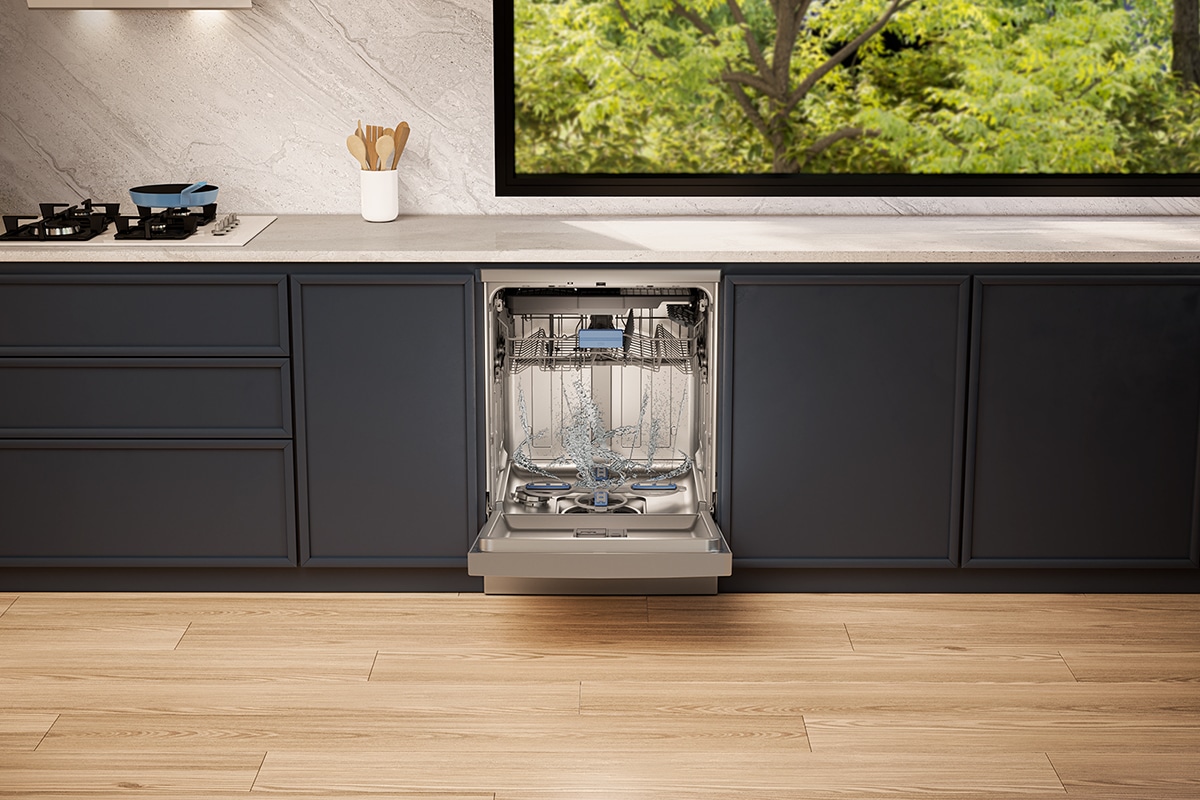
In addition, Samsung is working on optimizing the rinsing process with the WaterJet Clean system. “The two spray arms of the WaterJet Clean system rotate in opposite directions and are of different sizes,” said Howldar. “This eliminates blind spots in the wash chamber and ensures that the dishes are thoroughly cleaned everywhere.”
Changes have also been made at the product level. For example, loading convenience has been improved with redesigned racks and rail systems. “We looked at how people actually use their dishwashers. That translates to smoother loading and unloading.”
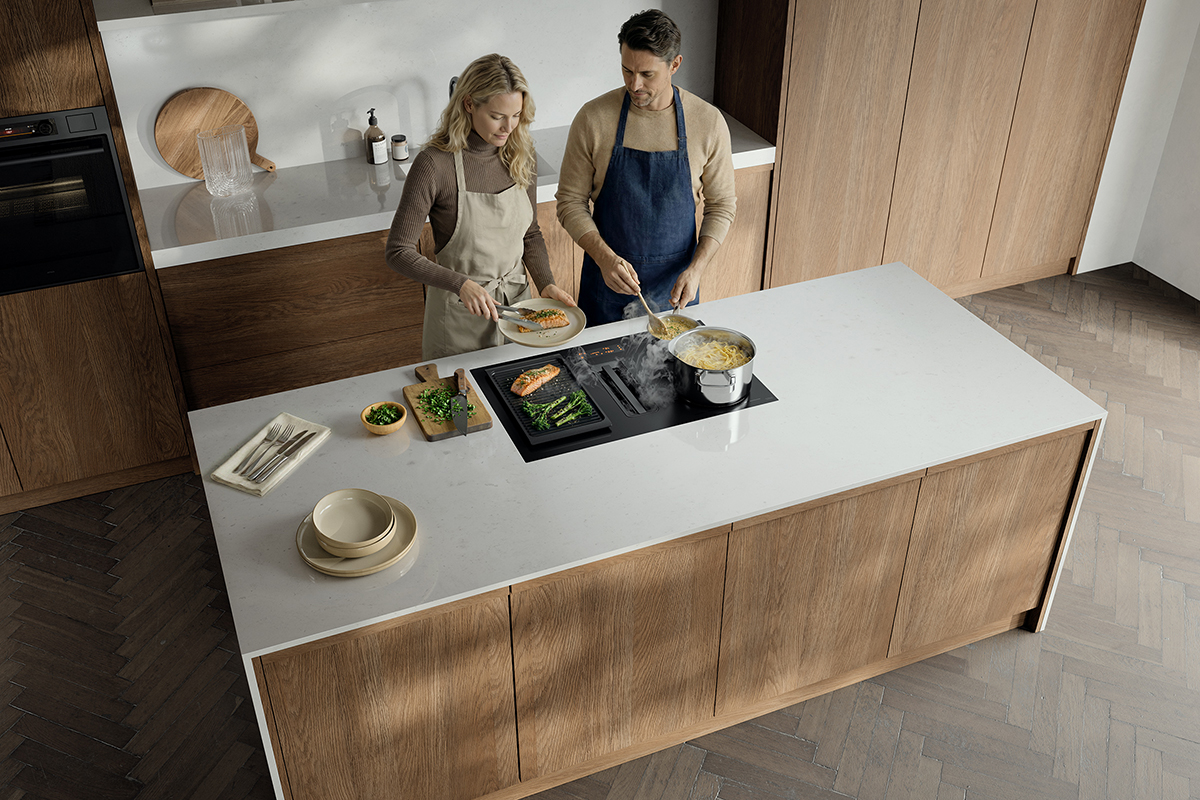
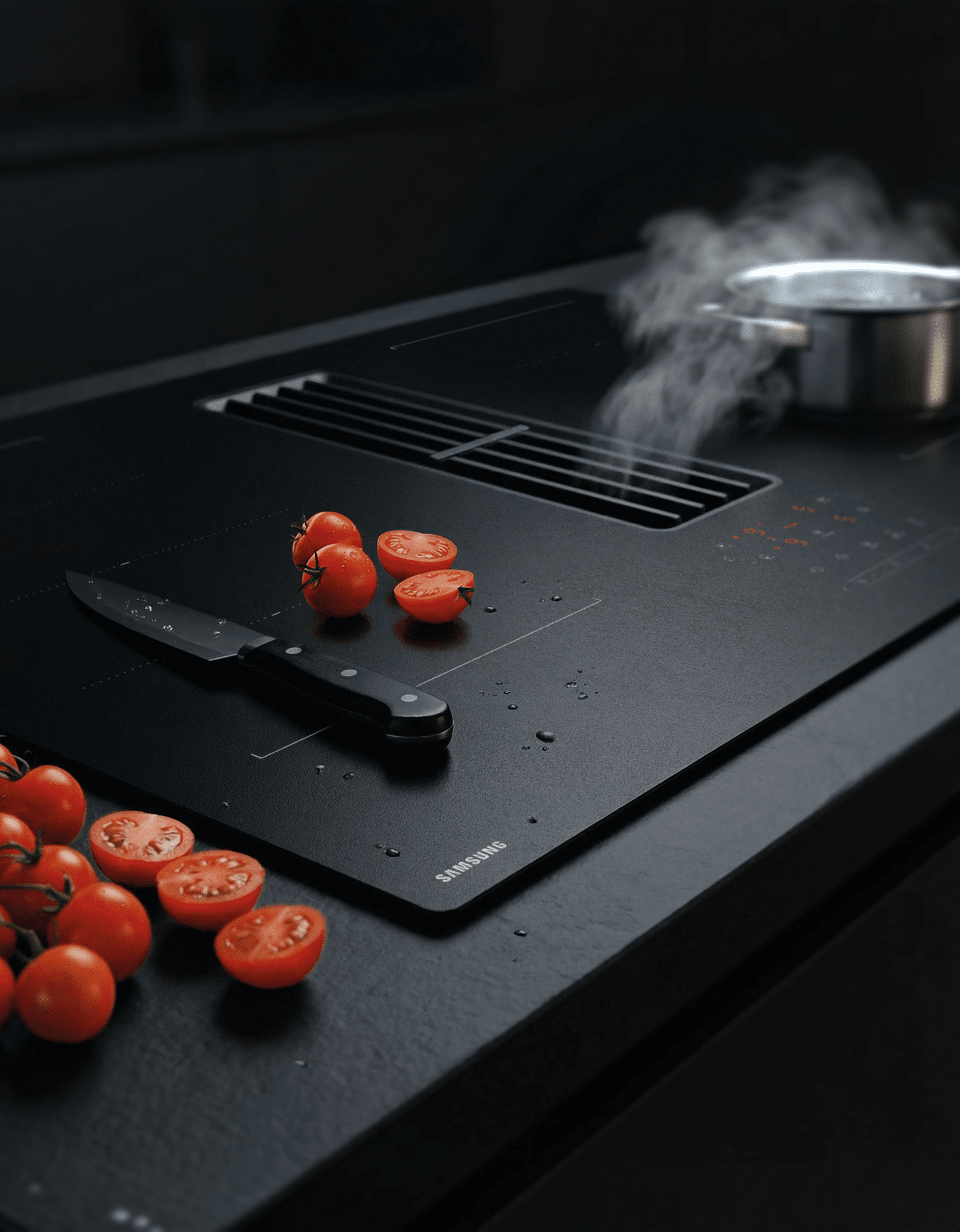
This year, Samsung is also introducing a new cooktop with a built-in range hood. It is connected to the SmartThings platform and features functions such as Flex Zone Plus, which allows the cooktop to automatically detect the position and size of pans. Samsung is also focusing on more sustainable materials and durability, including a tempered glass surface with higher scratch resistance according to the Mohs scale. “That makes it more intuitive and robust for everyday use.”
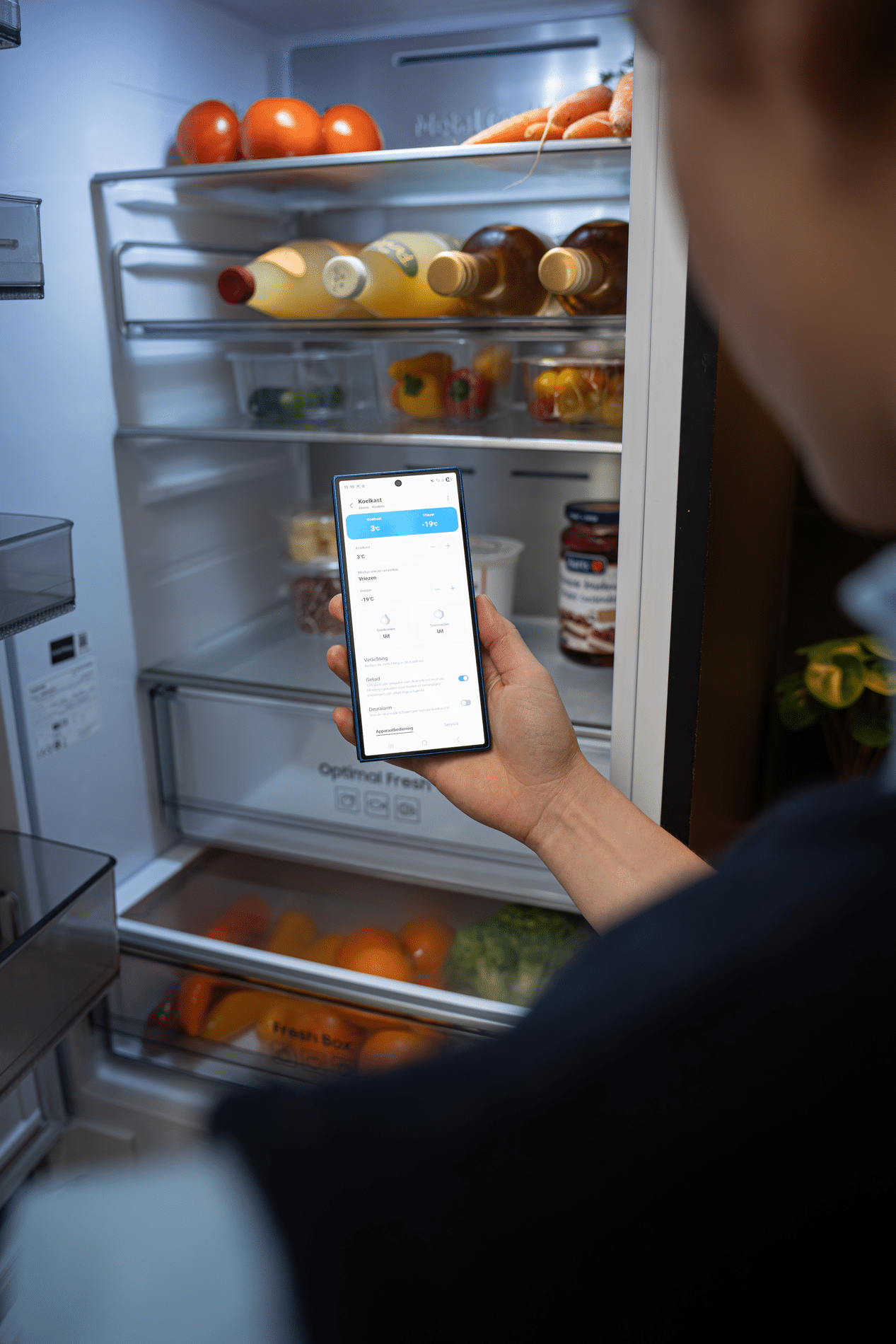
According to Samsung, specialty retailers also have a role to play. “We want to help kitchen professionals make the power of SmartThings and AI tangible for users,” says Howldar. “We do this, among other things, through so-called ‘how-to’ campaigns, in which features are explained step by step.”
This support takes the form of visual content in the showroom. “Using QR codes, users can instantly watch short videos that demonstrate how features work in practice. This helps them understand the added value of smart applications more quickly.”
The focus on connected devices is thus shifting from technical feasibility to practical application. “It doesn’t have to be complicated,” Howldar concludes. “Once the added value is clear, the rest will follow naturally.”
Neem dan rechtstreeks contact op met Samsung Electronics Benelux B.V..
 Contact opnemen
Premium Quality Driven by Innovation “Samsung innovates every day. We do this to break the boundaries of what seems possible and make the very best quality available to all. The kitchen is the place where design, innovation and taste come together. Where it's not just about convenience and style, but about everyone's personal needs. From this [...]
Bekijk Bedrijfsprofiel