Platform about design and technology in the kitchen, home, and bathroom industry
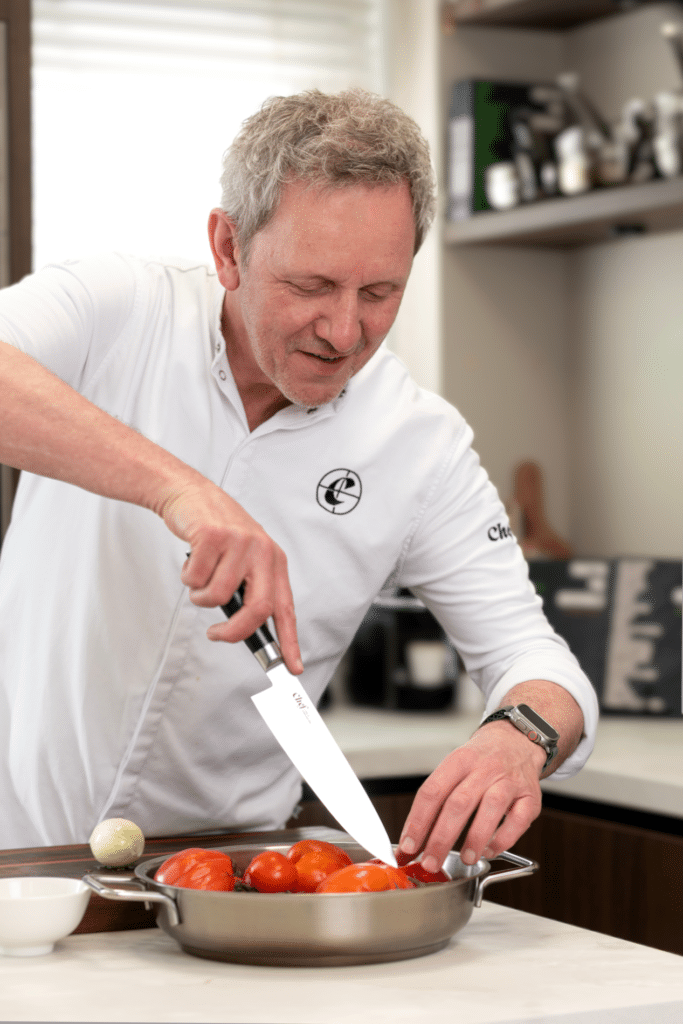
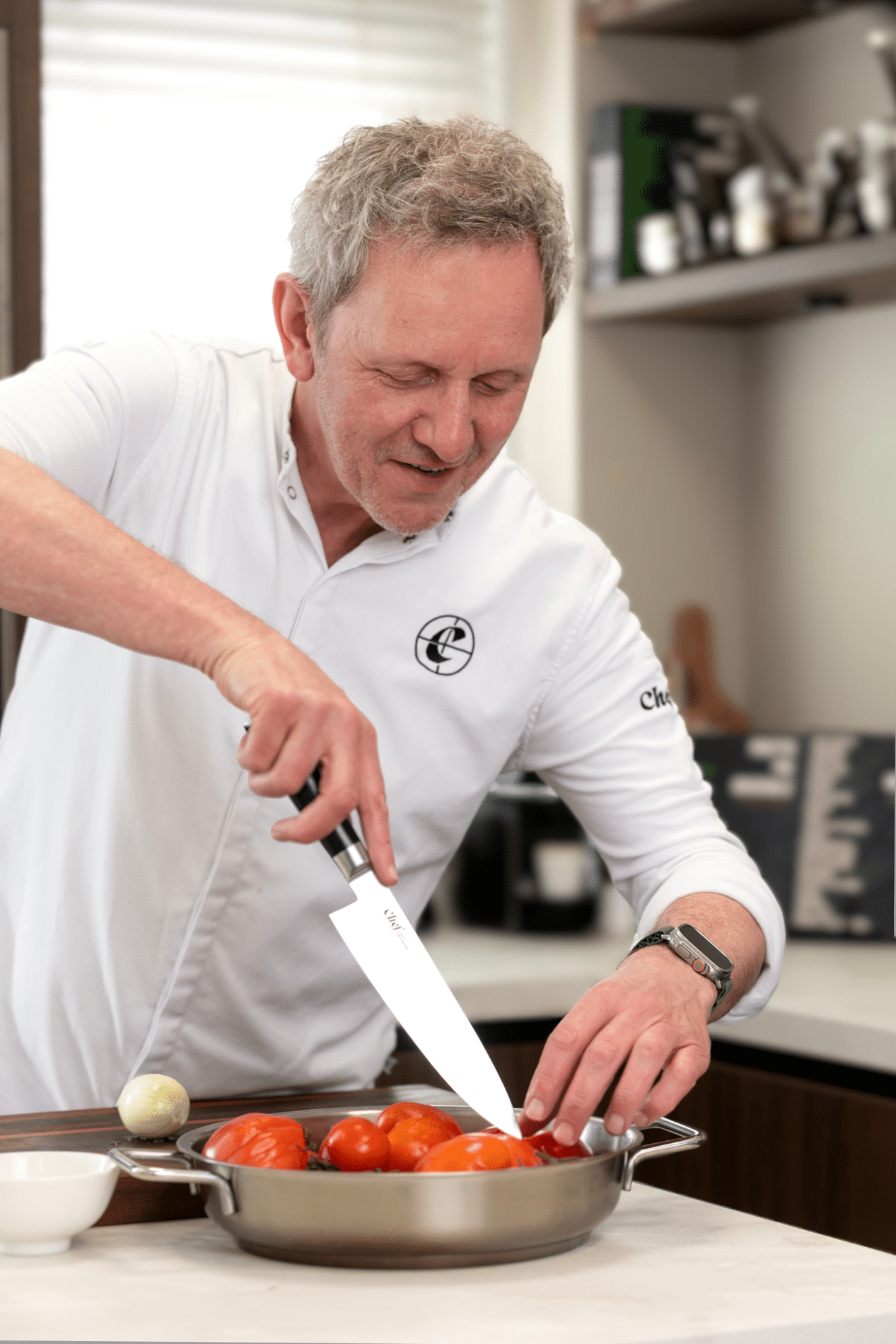
When it comes to the kitchen of 2040, many people think of artificial intelligence, automation, and appliances that are taking over more and more tasks. Jeroen van Oijen, founder of Chef on a Mission, sees things differently. According to him, real progress lies not in even more technology, but in greater peace of mind, clarity, and control over the cooking process.
“More peace and quiet,” he replies immediately when asked what must absolutely be felt in the kitchen of 2040. According to Van Oijen, the biggest problem for home cooks isn’t that they can’t cook, but that they get stressed out as soon as everything has to happen at once. “A good kitchen helps you maintain an overview—not by automating everything, but by thinking logically about workflows, organization, and ergonomics.”
In doing so, he highlights an interesting aspect of the kitchen industry. It’s not the number of gadgets that determines a kitchen’s quality, but rather the extent to which that space helps you cook in a relaxed manner. “To me, the most beautiful kitchens aren’t the ones with the most gadgets, but the ones where you can cook in a relaxed manner.”
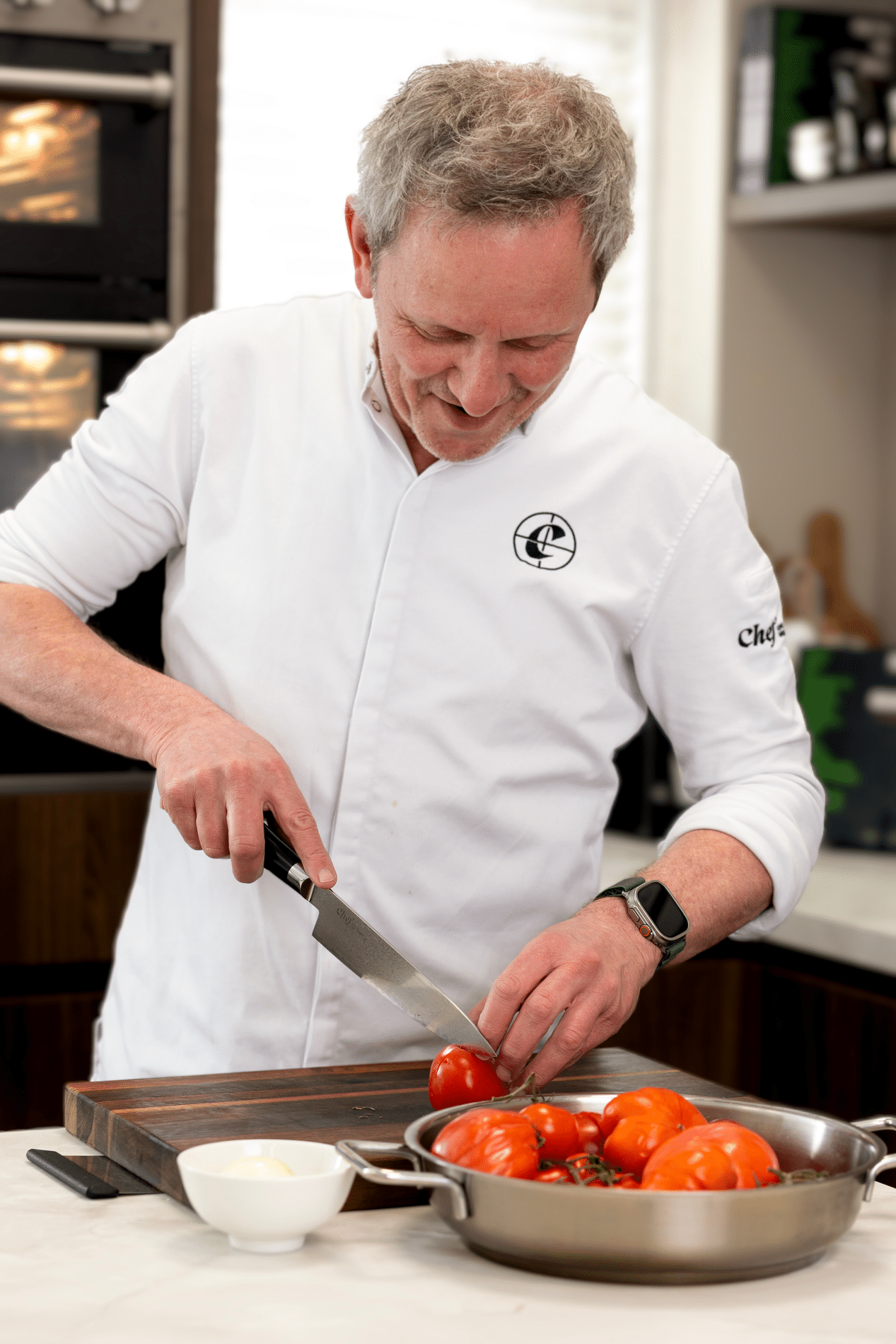
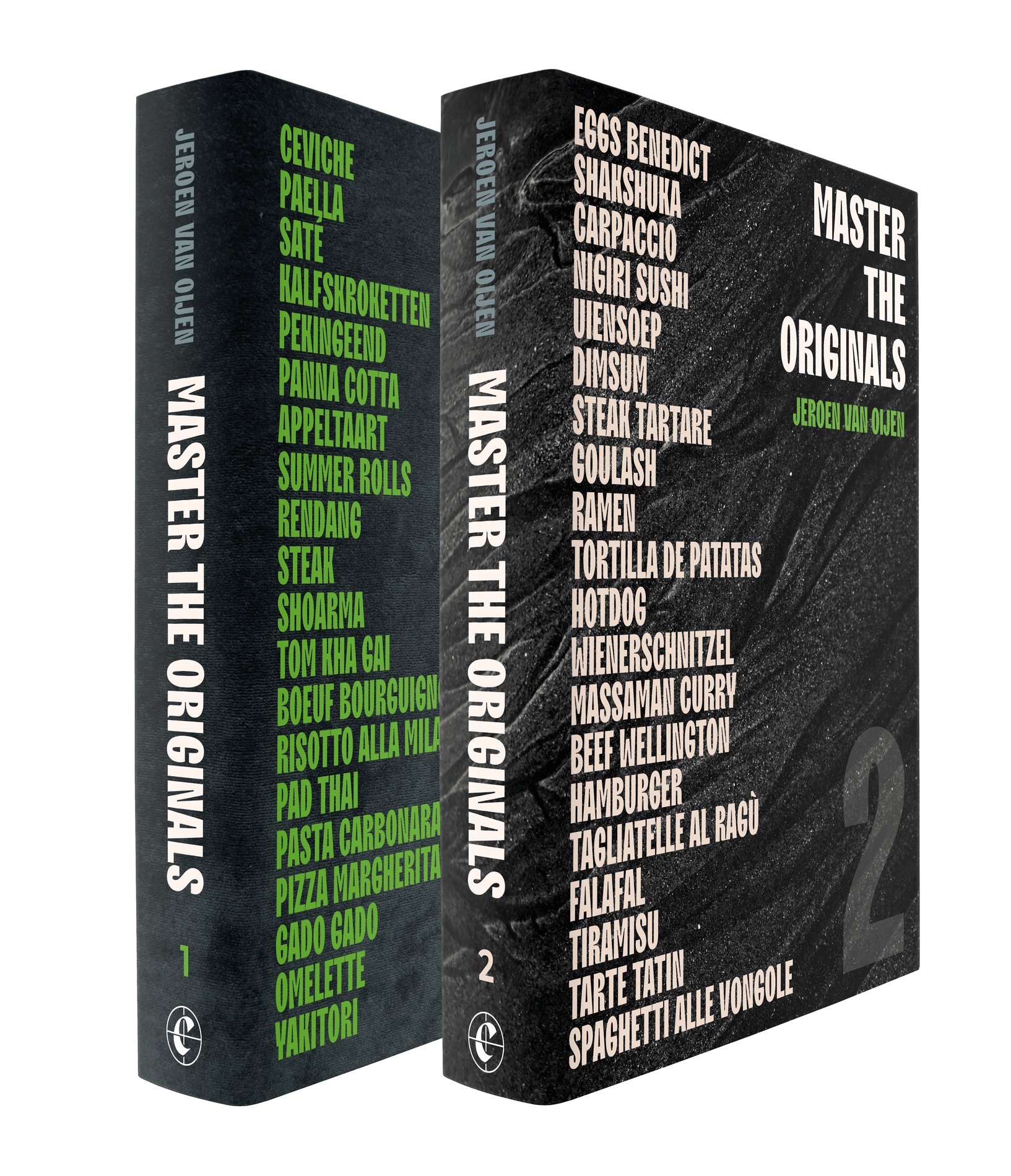
That doesn’t mean Van Oijen is against technological development. On the contrary. “I’m absolutely in favor of smart technology.” He sees an oven that maintains the exact right temperature or an induction cooktop that works more precisely than ever as a benefit. But, in his view, technology must remain a support tool. “Technology should help you cook better, not take over the cooking for you.”
According to him, the essence of cooking cannot be automated. It lies in flavor, intuition, and experience. That’s why he calls tasting the most important skill of the future. “That may sound simple, but it’s the most important skill in the kitchen.” Machines can measure temperature, monitor time, and perhaps even recognize texture, but that’s where it ends. “Only a human can determine whether a dish evokes emotion. Or whether a sauce has depth. Or whether a dish is balanced.”
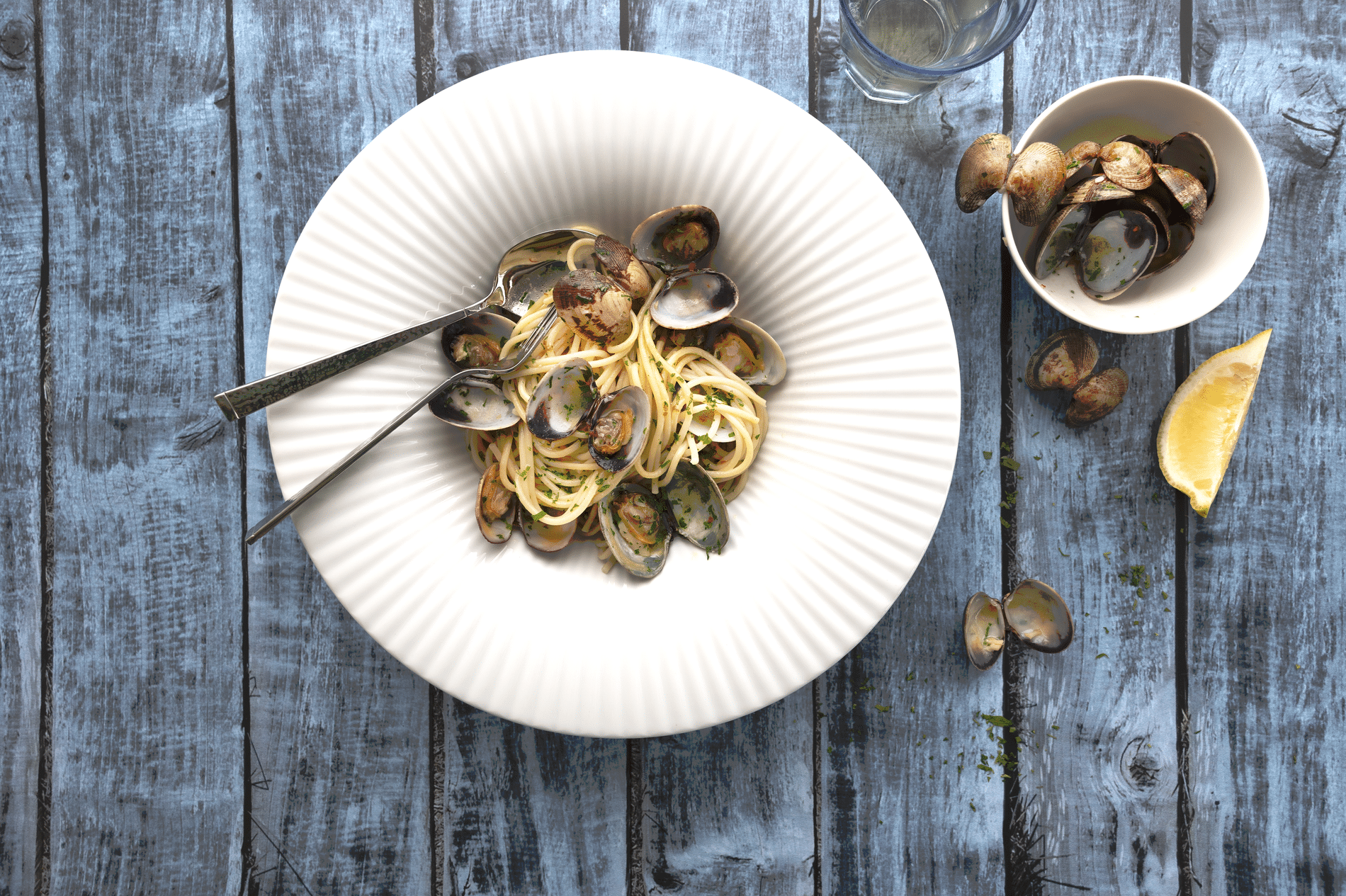
It’s striking that Van Oijen also sees technology as a way to get closer to the origins of dishes. Knowledge is more accessible than ever. “Nowadays, you can find out in just a few seconds how a dish was originally intended to be prepared.” As a result, he expects people to become even more curious about authenticity, technique, and origin.
Recipes, too, take on a different role in this process. They remain useful, but, according to him, they are never the ultimate goal. Anyone who really wants to learn to cook must understand why things happen: why meat needs to rest, why an onion must first become sweet before wine is added.
If he were allowed to design just one element for the kitchen of 2040, Van Oijen wouldn’t choose a robot or a screen, but rather an intelligent mise-en-place workstation: a countertop that helps with preparation, sequencing, and organization. His conclusion is clear:
“The kitchen of 2040 isn’t about more technology, but about better organization. Because it’s precisely when you have a clear overview that peace of mind sets in. And peace of mind ultimately leads to the most delicious food.”