






The key label now is 'sustainable and high quality'
Het samengaan van esthetiek, gebruiksvriendelijkheid én duurzaamheid is mogelijk.
Arpa Industriale in Schiedam proves that with the unique design panels in its collection, which surprise, delight and amaze designers and end users alike. Speaking is Country Manager Rutger de Jong.
The Italian company has been developing and producing decorative, functional and user-friendly panels in plastic and HPL for more than 65 years, which find their way to clients in the semi-public sector through European sales offices. Of course, the panels also find their way to consumers. Arpa Nederland BV in Schiedam serves the Benelux.
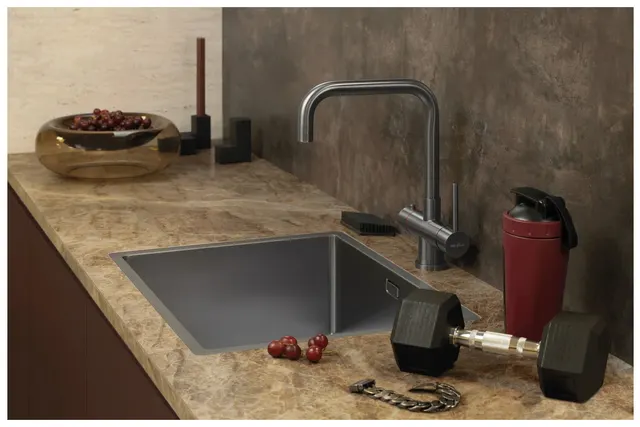
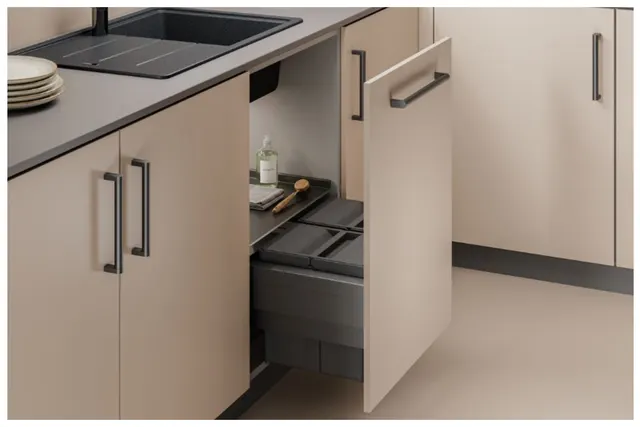
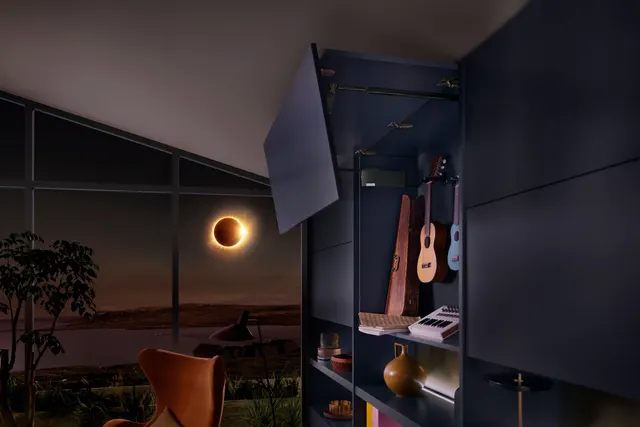
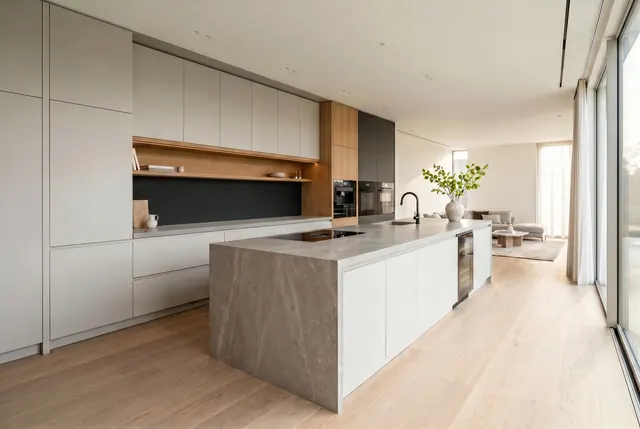
"The designer panels are used to finish many interior applications," Rutger explains. "From kitchens to bathrooms, furniture, hospitals hospitality areas and trains. The material is long lasting, it brings color and texture to life and is easy to keep clean."
"We have been focusing for years on using more sustainable and natural raw materials as well as aiming for a long(er) lifespan. Instead of producing ever cheaper and faster, we focus on the added value of our products. Thus, our ambition is to want to continuously improve aesthetics, user-friendliness and sustainability."
Technical and aesthetic
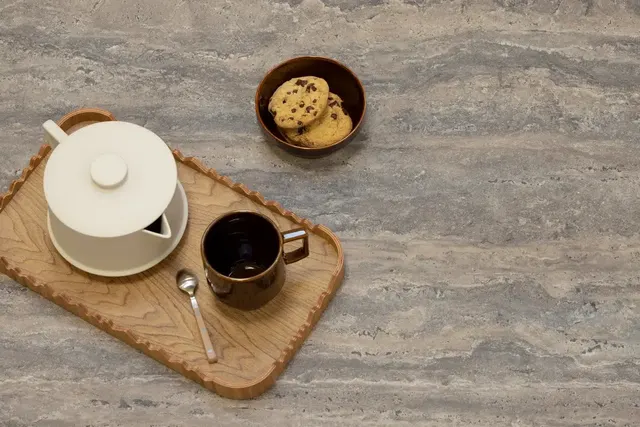
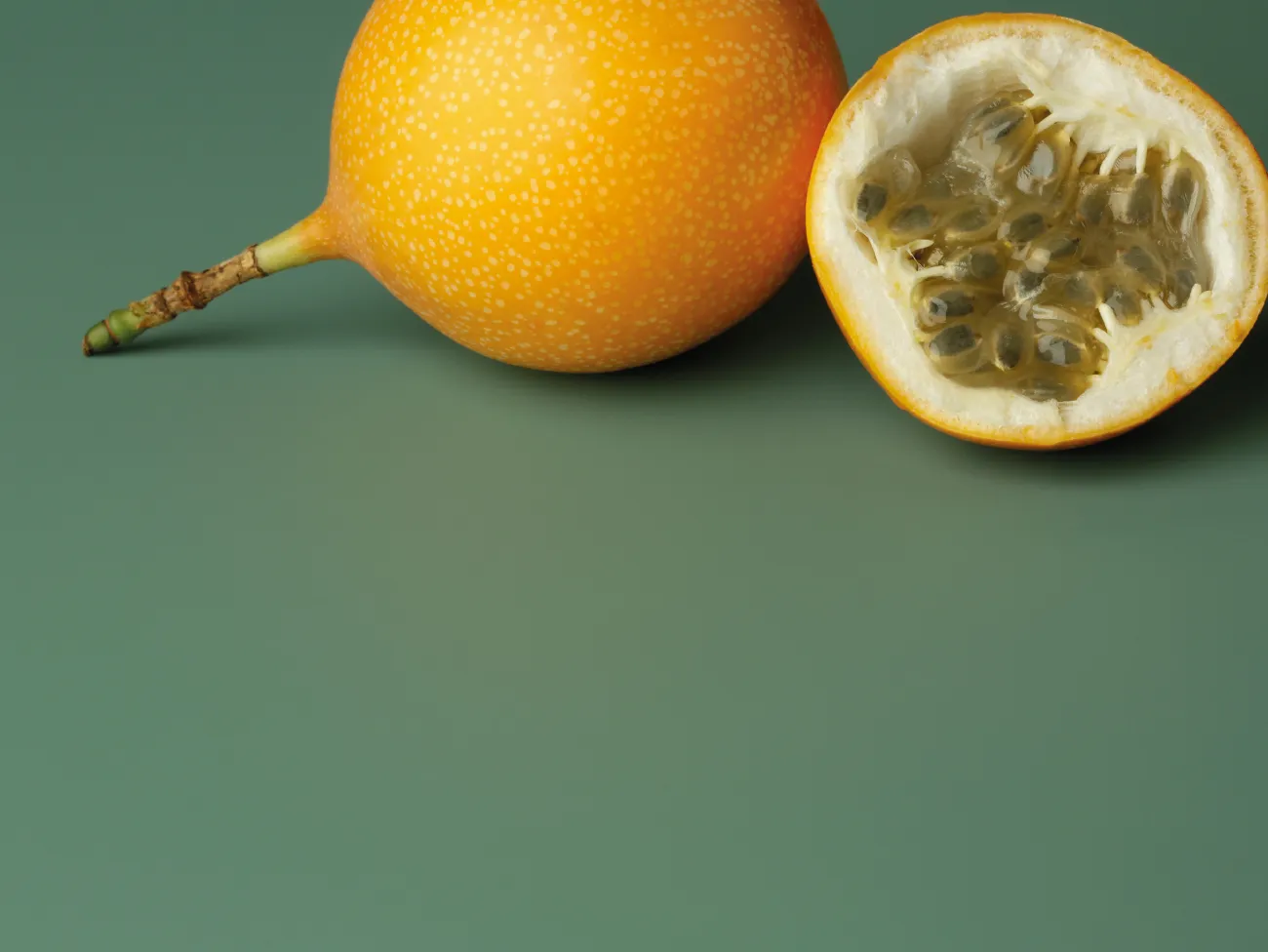
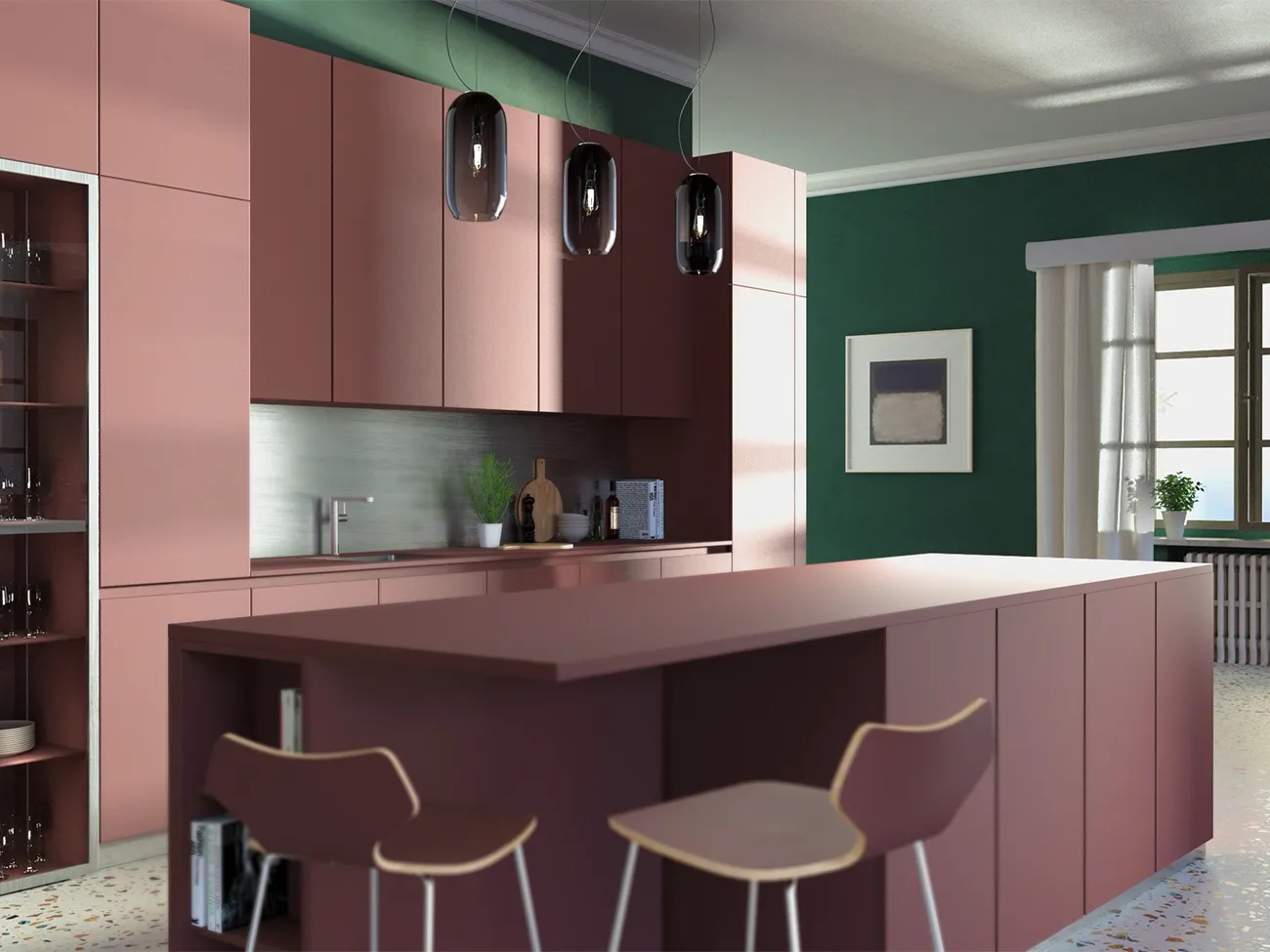
A good example of this is FENIX, which is the technical and aesthetic answer to two trends in interior design: smart materials and super matt surfaces. These are available in 27 timeless standard colors and can be used both horizontally and vertically. So, from furniture front to worktop. Rutger: "The feature is the closed top layer. Thanks to an exclusive technology with nanotech, the panels feel homogeneous and silky smooth and fingerprints are not visible. What is also unique is that the use of a special sponge creates friction and thus heat. This makes any user scratches disappear like snow in the sun. This combination of properties naturally makes the product very popular with designers and end users."
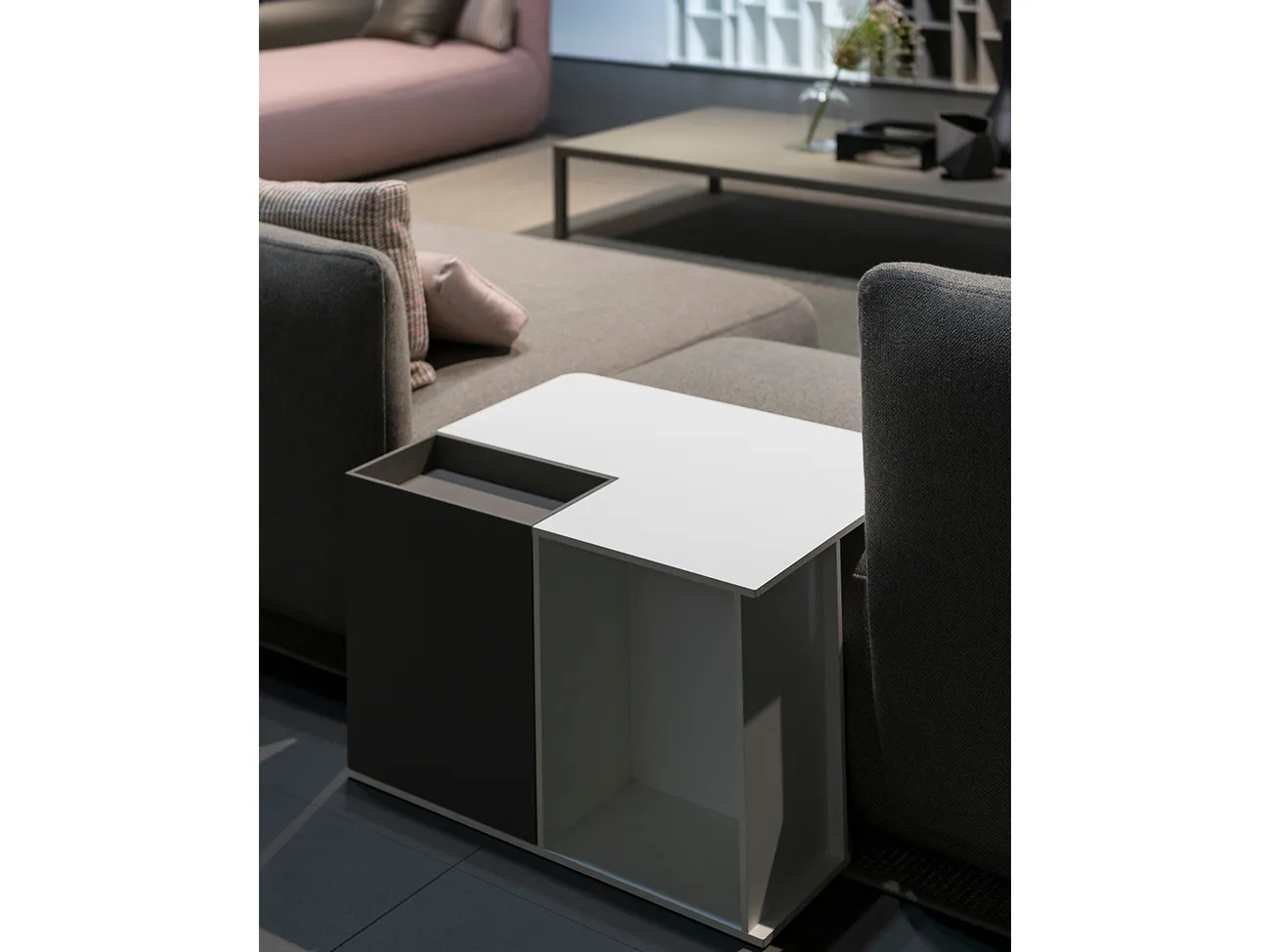
Over the past few years, the FENIX concept has been developed further and further so that now NTA, real alu, can also be used as a horizontal top layer. "In addition, we have taken new steps in sustainability, without compromising on functionality and appearance. For example, two years ago we introduced the BLOOM core technology, where half of the usual phenolic resin used to impregnate cellulose webs has been replaced by the natural binder Lignin. The BLOOM core technology is utilized not only in the production of our FENIX program but also in the standard HPL collections. We save 28% on our water use and have 38% less energy requirements. In addition, BLOOM technology means over 20% less CO2 emissions."
Question about this story? Ask your question
Keep following this
Get an email when a new story is published. No account needed.
- ThemeKitchen materials
- SubjectGeneral