





The kitchen industry is at a crossroads
Text Susan PeekImage Bert Salari, Studio Evoque Bart Honingh, Hans Gorter, Mark Timo – Midjourney-gegenereerd
Why collaboration, experience, and digitization will shape the future
The days of the kitchen as a closed-off cooking space are long gone: today's kitchen forms a whole with the living space and reflects the personality of its occupants. This requires more than just product knowledge. Anyone designing a kitchen today is creating a living environment—with materials, colors, and functions that must be in harmony with the interior. More personal, but also more complex.
In this article, Corné Snoep (owner of Corné Snoep Keukenarchitectuur) and Mark Timo (founder of De Interieur Club and Interieur Carrière) share their views on how the kitchen industry can become future-proof. Their message is clear: the industry is at a crossroads. Those who adapt to changing consumer expectations and focus on collaboration, experience, and digitization will remain relevant and increase their future-proofing in a rapidly changing market.


The rise of the interior design professional
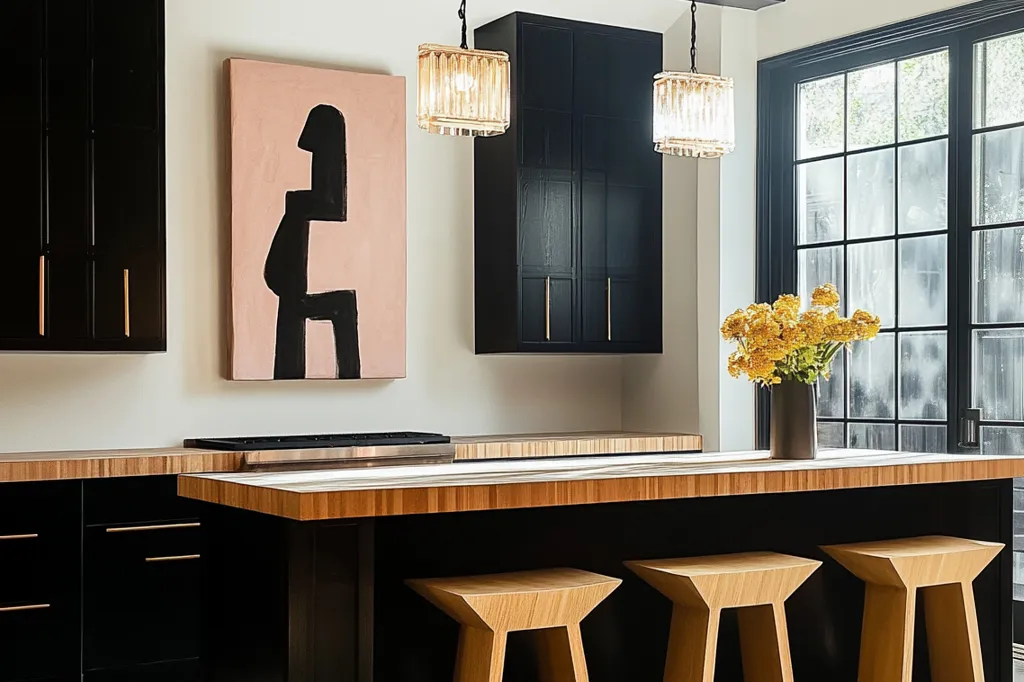
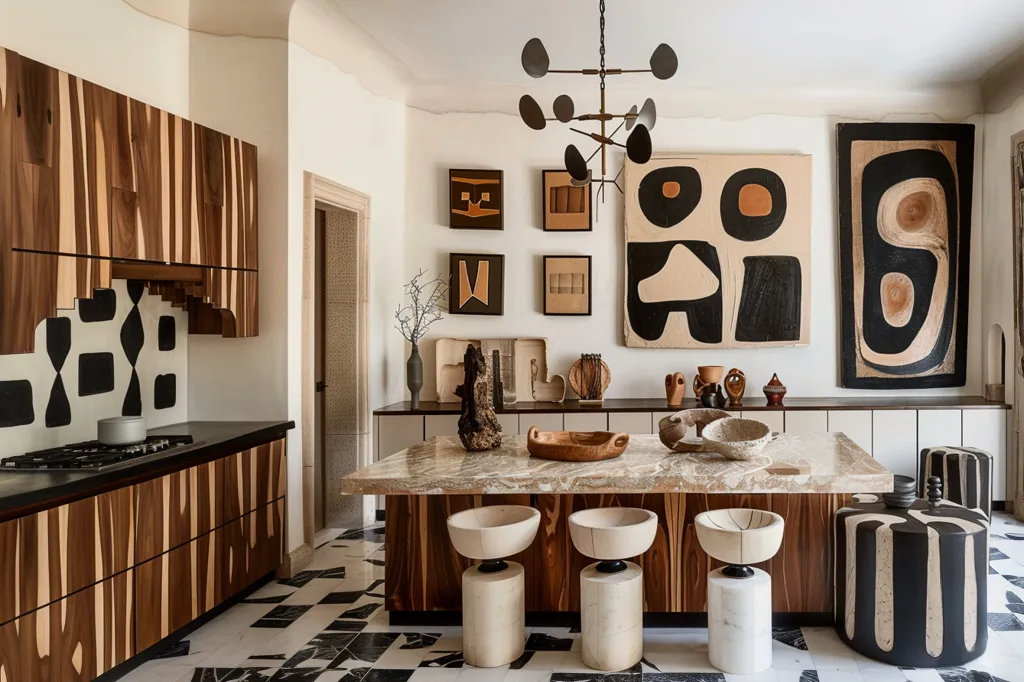
Whereas kitchens used to be purely functional, they are now a space for experiences. This development requires different expertise and collaboration. According to Snoep, this realization is still far from widespread. “In the past, kitchens were confined to a two-by-two-meter corner with a single purpose: preparing food. Now they are the place where everything comes together: cooking, working, socializing. Yet the industry is still lagging behind. Many showrooms still display rows of kitchens, while consumers have long since moved on.”
Timo sees the same shift in the interior design world. “The kitchen has become part of the overall interior. As a result, interior designers and architects are increasingly involved in kitchen design. They determine the atmosphere, the colors, the materials—and the kitchen supplier aligns with their vision. That's a huge shift in influence.”
Because many kitchen designers are not yet equipped to do this, designers and architects are increasingly turning to furniture makers. They are generally more flexible and more inclined to collaborate and provide customized solutions for the customer.
According to him, collaborating with designers is no longer a luxury, but a necessity. “Kitchen retailers who continue to view designers as competitors are losing ground. Professionals are the key to growth, not a threat.”
Showroom: fewer displays, more experience
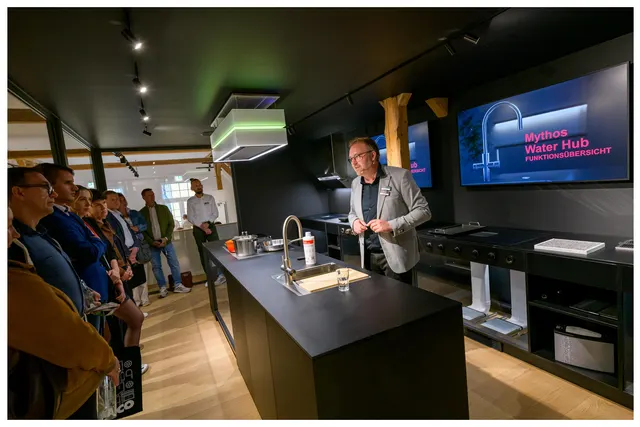
The showroom remains important, but needs to be reinvented. Snoep advocates a total experience rather than a product overview. “Ten kitchens in one room no longer means anything to the customer. It's better to show five styles, complete with lighting, seating area, and atmosphere. People should come in and think:
This is right. Let them experience what it feels like to live in that space.”
Timo adds: “A showroom should be an experience center. Not a product hall, but a place where designers and consumers can find inspiration. Look at the bathroom industry—brands such as Mastello have understood this well. They combine an inspiring physical location with strong online visibility. The kitchen industry can learn a lot from this.”
According to both gentlemen, the strength lies in consistency between online temptation and offline experience. Today's customers are inspired by social media, but only make a final decision when the experience in the showroom confirms that feeling.
Digital acceleration
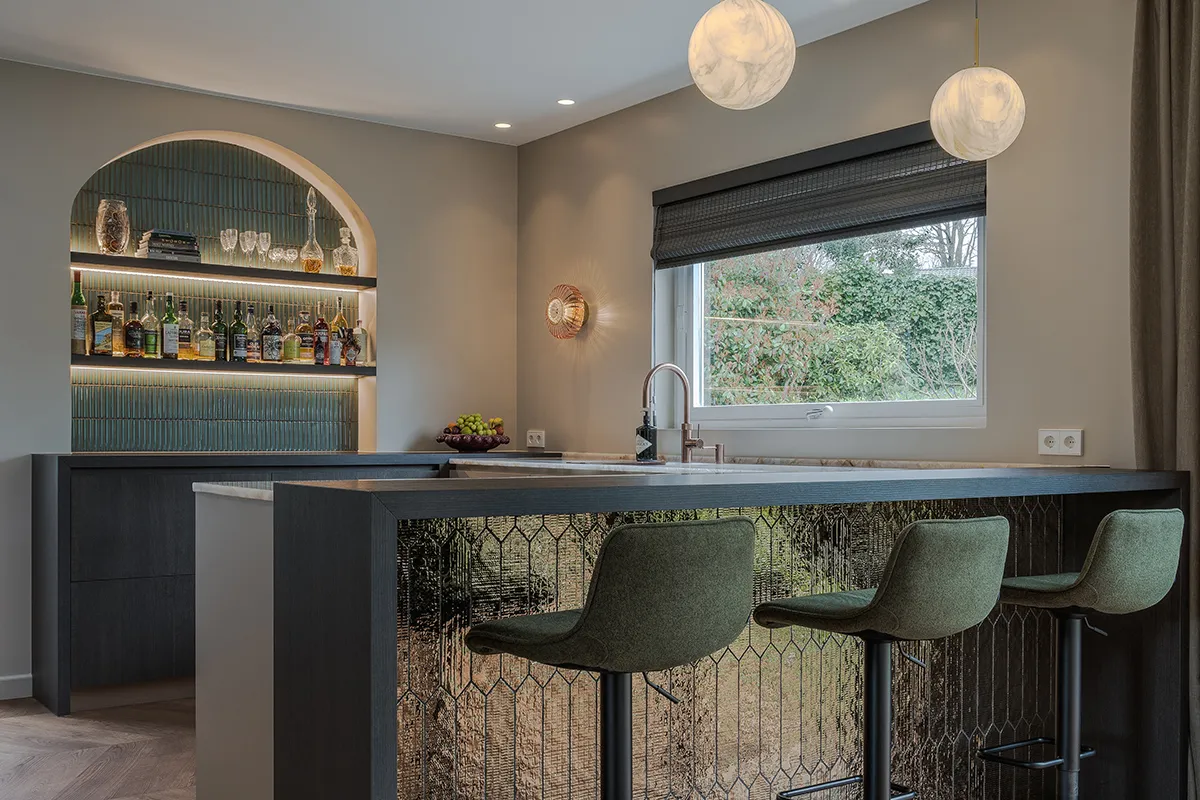
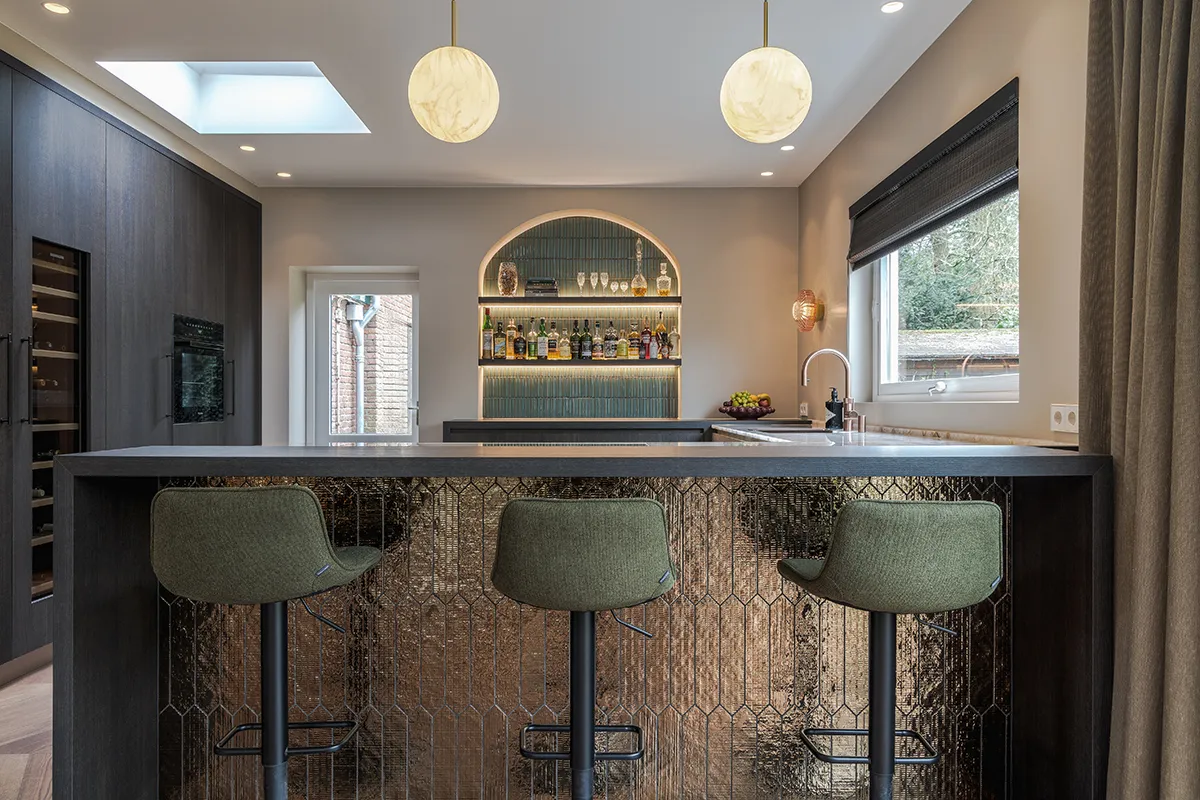
The experience doesn't stop at the store's front door. The digital presentation is just as important. “The customer's orientation starts online,” says Timo. “They search on Pinterest, follow interior design accounts, and listen to podcasts. You get one chance to make an impression. If your brand doesn't come across well there, you've lost them.”
He observes that many companies underestimate digitization. “Social media is not a side issue. You need to assign people to it: content creators, marketers, and AI specialists. Consumers ask ChatGPT or Google AI for advice about their kitchen. If your brand doesn't appear there, you don't exist digitally.” Snoep recognizes that struggle: “Many kitchen companies make isolated attempts—a video on TikTok, an ad in a magazine—but there's no strategy behind it. You have to tell your own story, show who you are and what you make. Consumers want authenticity, not just a price tag.”
Collaboration on innovation
According to both experts, the future of the kitchen industry lies in collaboration. Not only between kitchen manufacturers and interior designers, but also with training providers, marketers, installers, and producers.
“You have to seek each other out,” says Snoep. “The interior designer brings customers and ideas, the kitchen specialist brings knowledge of technology, materials, and equipment. Together, you can create something unique. Why not share that? Just pay the designer a commission and work together on the experience. This creates a new way of working in which everyone contributes their own strengths and you achieve more together than you would alone.”
“It takes courage to let go of control, but it pays off,” adds Timo. “Companies that embrace collaboration and professionalization naturally attract new customers and interior design professionals: people who want to develop themselves and do meaningful work. And that is exactly what the industry needs.”
From product to experience brand
Both Snoep and Timo see a clear division emerging. On the one hand, there are companies that stick to the old model—quick sales, limited knowledge, little experience. On the other hand, there are companies that invest in knowledge, content, and collaboration.
“There comes a moment when those two worlds fall apart,” says Snoep. “Consumers expect something different. They want personality, atmosphere, and a story. If you don't go along with that, you'll lose touch.”
According to Timo, the kitchen industry has struck gold: “Craftsmanship, history, beautiful products. But it requires a change in mindset. From salesperson to connector. From product to process. From kitchen store to experience brand.”
The future belongs to those who dare to innovate. Not by selling harder, but by working together smarter and truly connecting with the customer.
Question about this story? Ask your question
Keep following this
Get an email when a new story is published. No account needed.
- ThemeThe kitchen as a living space
- SubjectGeneral