






Crossing from professional to private
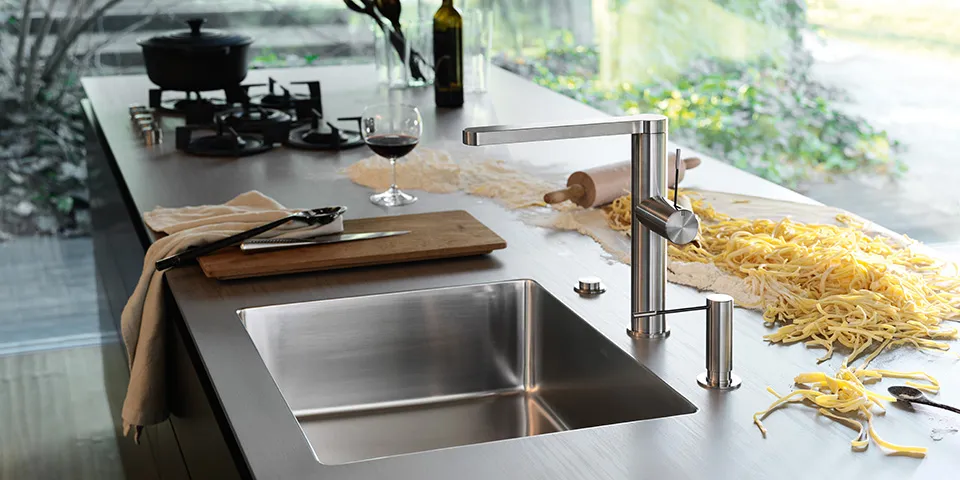
Een materiaal dat de oversteek heeft gemaakt van de professionele (groot)keukens naar de particuliere markt: inox. Het is de basis…
A material that has crossed over from professional (wholesale) kitchens to the private market: stainless steel. It is the basis for faucets, sinks but also countertops and backsplashes. This creates an entire kitchen made of stainless steel, also called stainless steel called.
The online encyclopedia Wikipedia speaks of stainless steel. After all, stainless also applies to "ordinary" steel that has not yet been rusted. However, the term stainless is so well established that we continue to use it. The first stainless steel was cast on August 13, 1913, by Harry Brearley in the laboratory of Brown-Firth. The context, however, was less fine: stainless steel came about in research for the arms industry.
Invisible layer
The production of stainless steel and "ordinary" steel are largely similar. However, there is a difference. In fact, with stainless steel, chromium and nickel are also added. The added chromium provides corrosion resistance. When this comes into contact with oxygen, an invisible layer forms on the outside of the steel. This is chromium oxide and protects the underlying metal from rusting. Even better: it repairs itself when damage occurs. The addition of nickel and possibly other elements further increases corrosion resistance.
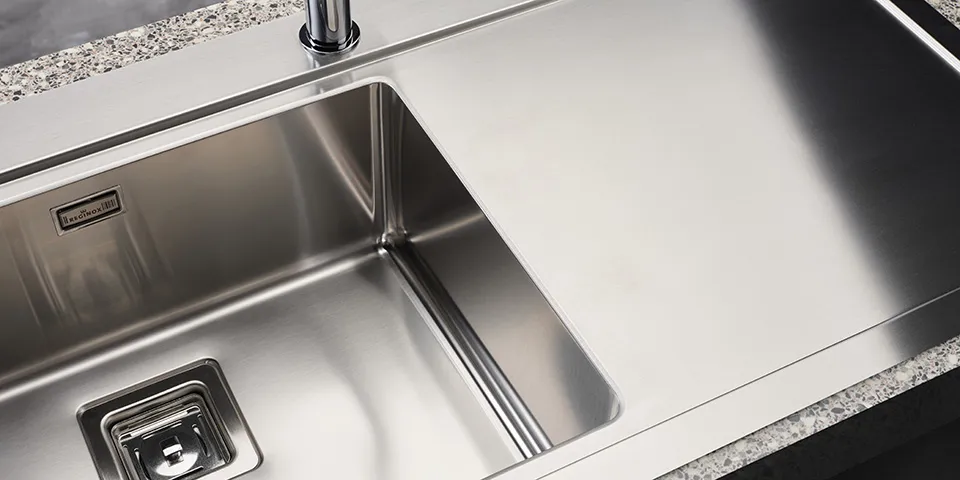
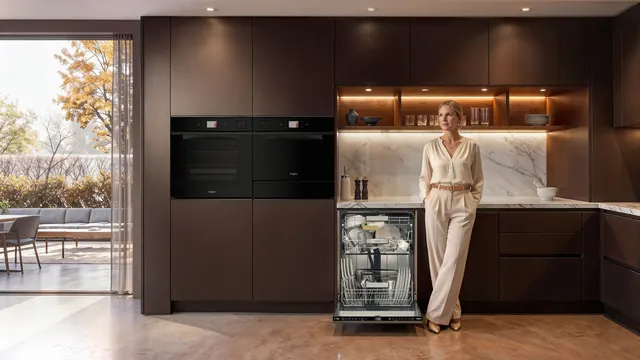
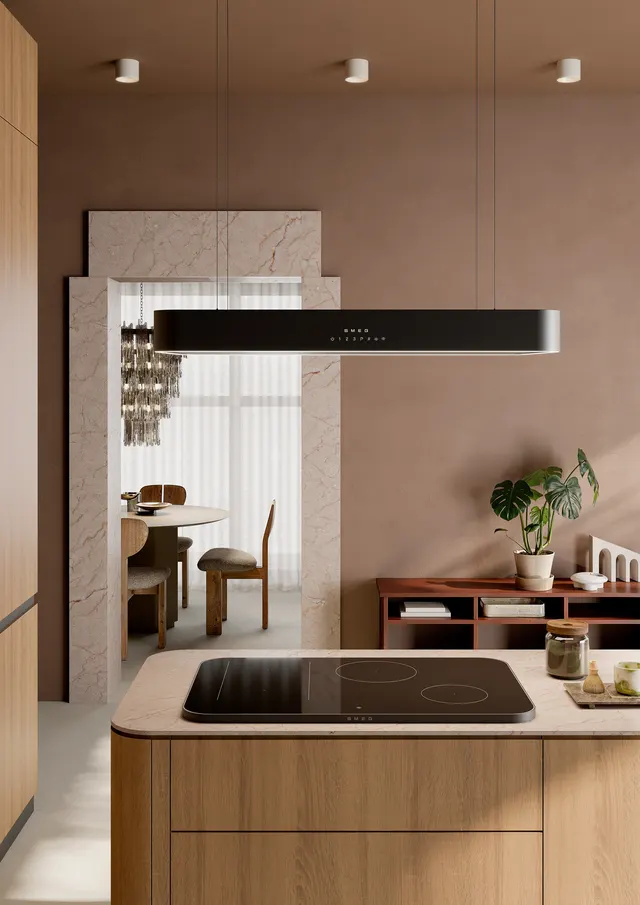
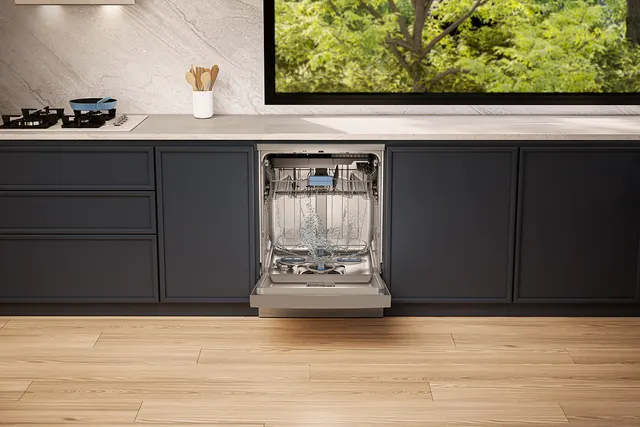
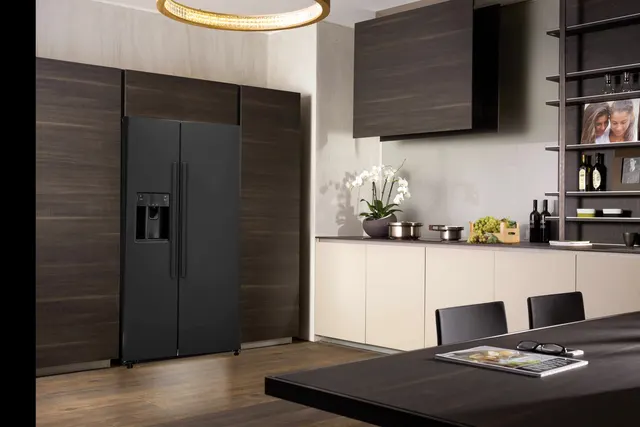
Stainless steel combined with other materials produces beautiful results. (Image: Reginox)
Popularity explained
Stainless steel kitchens are commonplace in commercial kitchens, in the catering industry and certainly also in (top) restaurants. Many top starred restaurants set up their kitchens themselves, including the arrangement of all appliances and sinks, and rely on the expertise of specialists to supervise the planning on the one hand, and on the other to ensure flawless production and installation down to the smallest detail. The strong properties of stainless steel immediately explain why this material is so popular in professional environments.
Stainless steel is very strong and hard-wearing, resistant to both high and low temperatures, it is insensitive to acid and, of course, impervious to water. Moreover, it is easy to maintain which makes it very hygienic. An additional (big) advantage: stainless steel combines beautifully with marble and granite, for example. The interplay with wood also produces beautiful designs.
Just these interesting properties explain why stainless steel is slowly winning over private individuals. However, a complete kitchen made of stainless steel seems to be reserved for commercial kitchens and restaurants. The somewhat cool atmosphere is just a little less important there. Tastes differ, of course; it is perfectly possible that a consumer consciously chooses to go entirely for stainless steel.
Accents in the kitchen
An entire kitchen constructed of stainless steel may be a bridge too far for many consumers. Understandable, taking into account the cooler atmosphere the material exudes. Some find it unsociable, while others choose it deliberately. The strong properties of the material are a strong argument for choosing it. Since several manufacturers are active in the production of countertops, sinks, faucets and backsplashes, end customers have the opportunity to put together their kitchen in such a way that stainless steel is combined with another material. Kitchens with a granite worktop that seamlessly incorporates a stainless steel sink with matching faucet are thus one of the possible combinations.
Question about this story? Ask your question
Keep following this
Get an email when a new story is published. No account needed.
- ThemeKitchen materials
- SubjectKitchen appliances