





Supplier of sustainable kitchens aims to become the benchmark on impact
Text Jerry HelmersImage Chainable
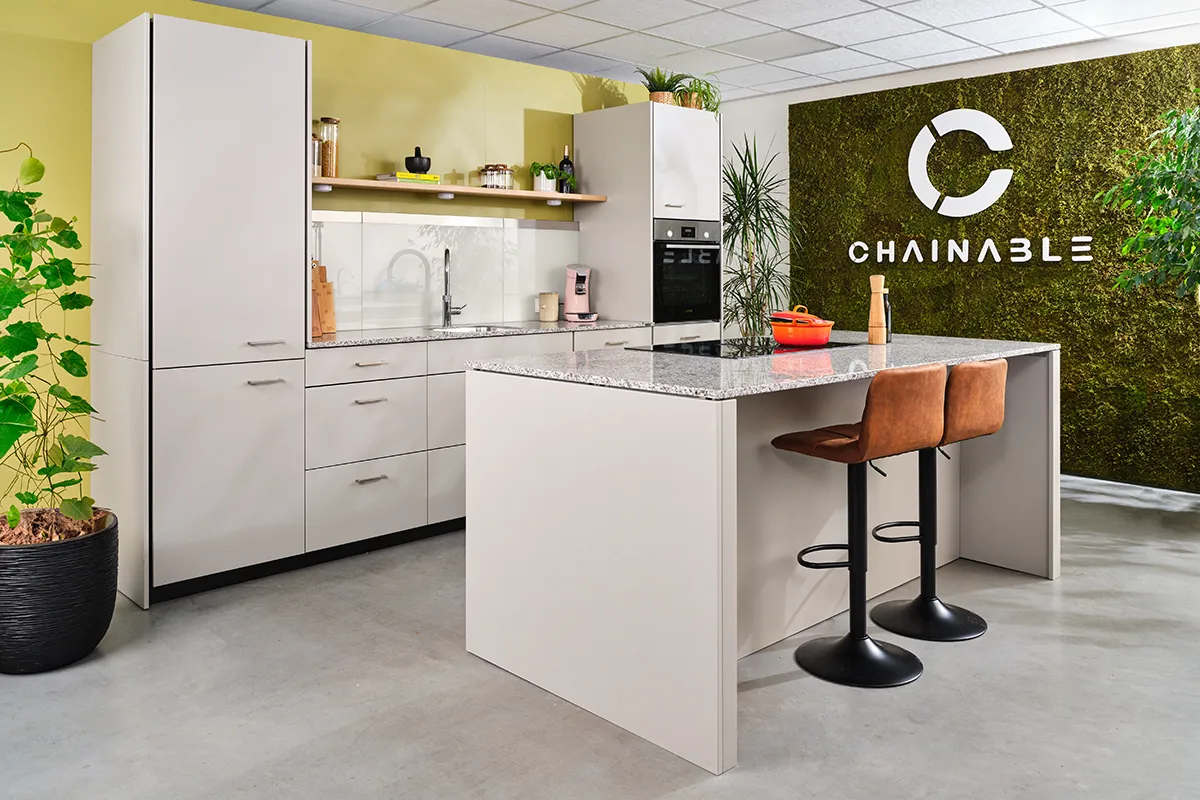
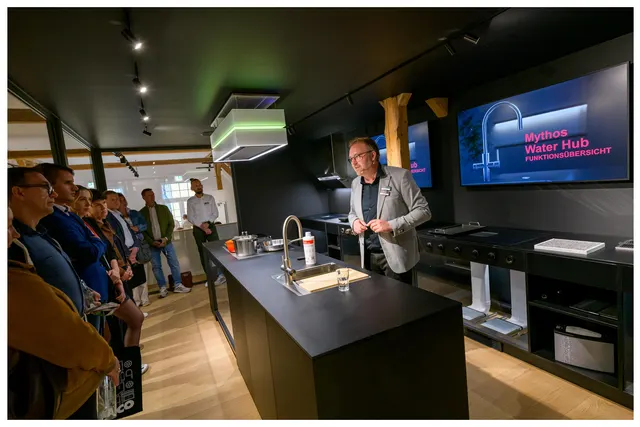
At Chainable in Gilze, Brabant, they have it clear. Also in the showroom where we are visiting. Sustainability is fundamentally in the genes of the founders, management and employees. One of the goals is to create awareness (about sustainability and circularity) in the chain and in the market by setting a good example. We are talking to Simon Rombouts, who opts for a long life cycle for the kitchen. In do's and don'ts. A striking showroom.
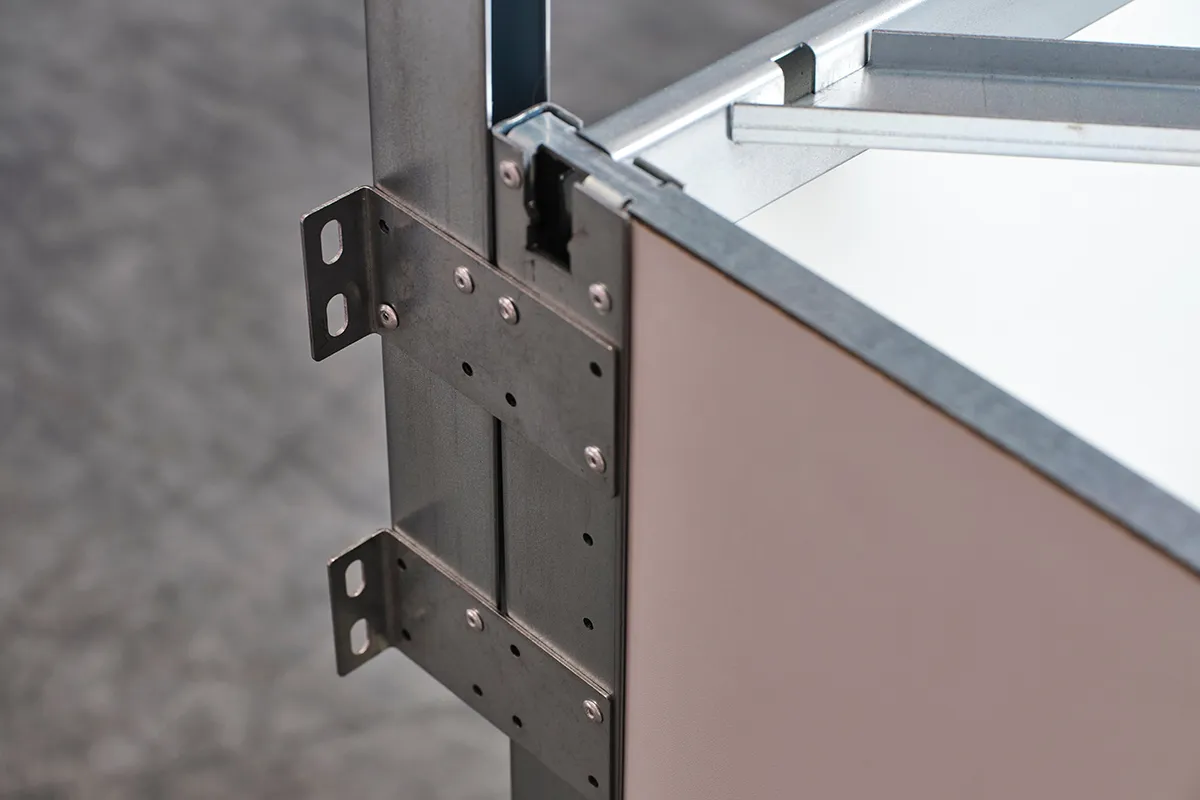
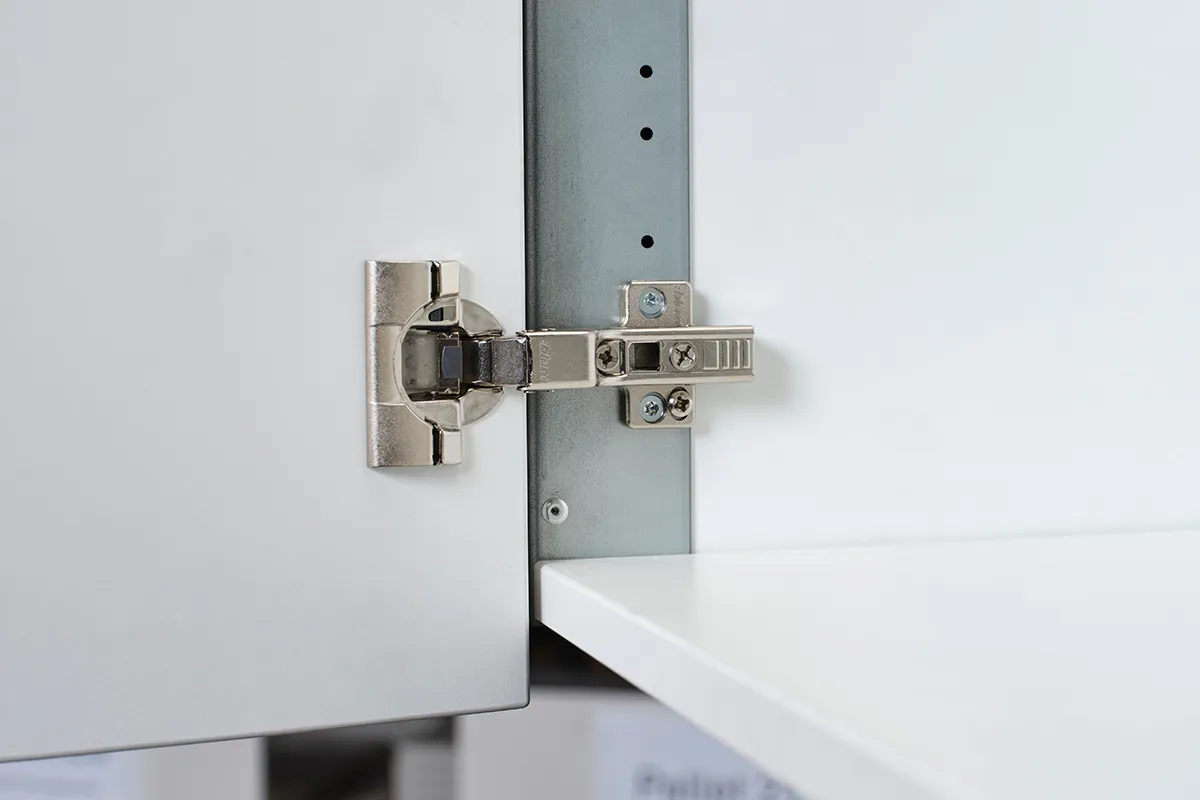
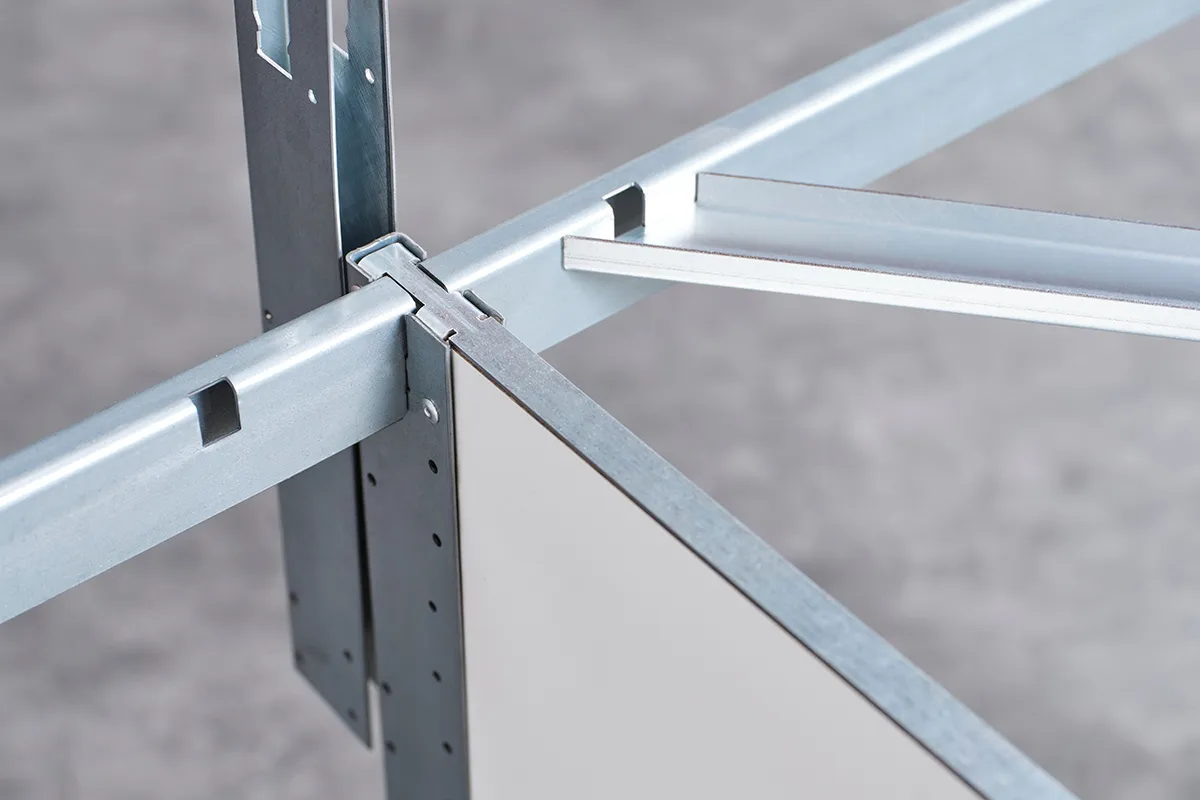
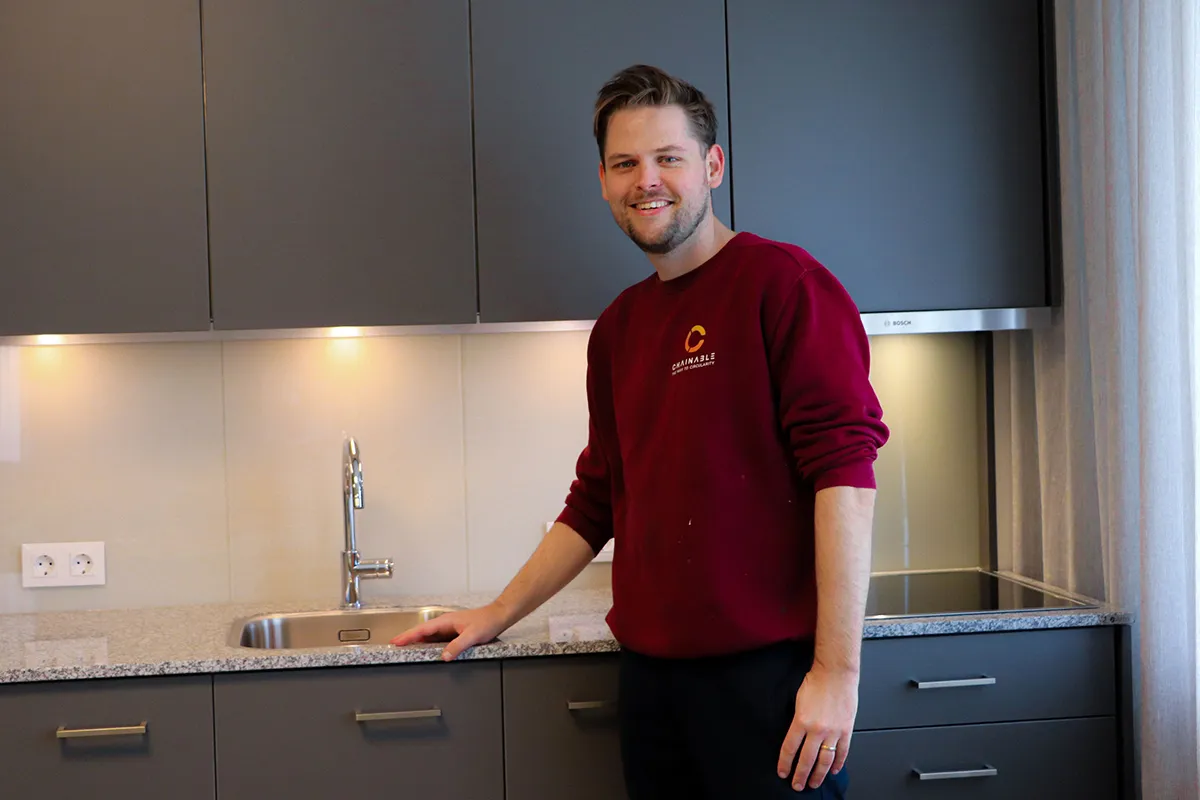
"We have a kitchen 'for life,'" says the visibly enthusiastic Rombouts, who started Chainable several years ago and focuses his business model on furnishing project kitchens based on smart and sustainable standardization. "We certainly don't have grassroots kitchens. But we do tell the story of creating environmental gains and lower maintenance costs for the future."
How they do this in practice and how they also show this in the showroom? Well... building a kitchen basically involves a "frame and a jacket of panels," says Rombouts. "If at some point you get bored of your kitchen, so replacing a kitchen or kitchen renovation, then it becomes much easier. Corporations, our main target market, can therefore save money and ultimately reuse in a high-quality way. We always do the following addition: 'detachability' + 'material circularity' = 'product circularity.'"
Mini Museum
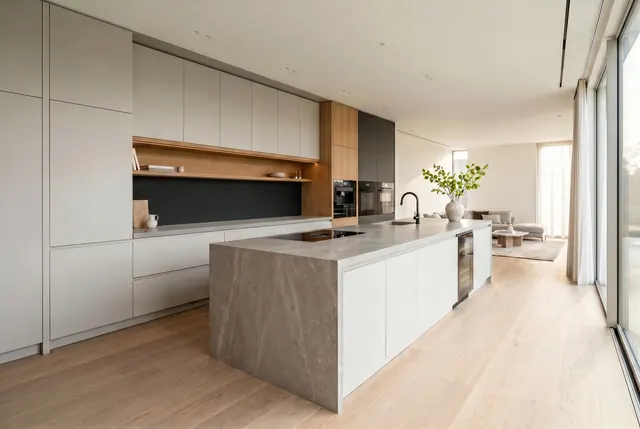
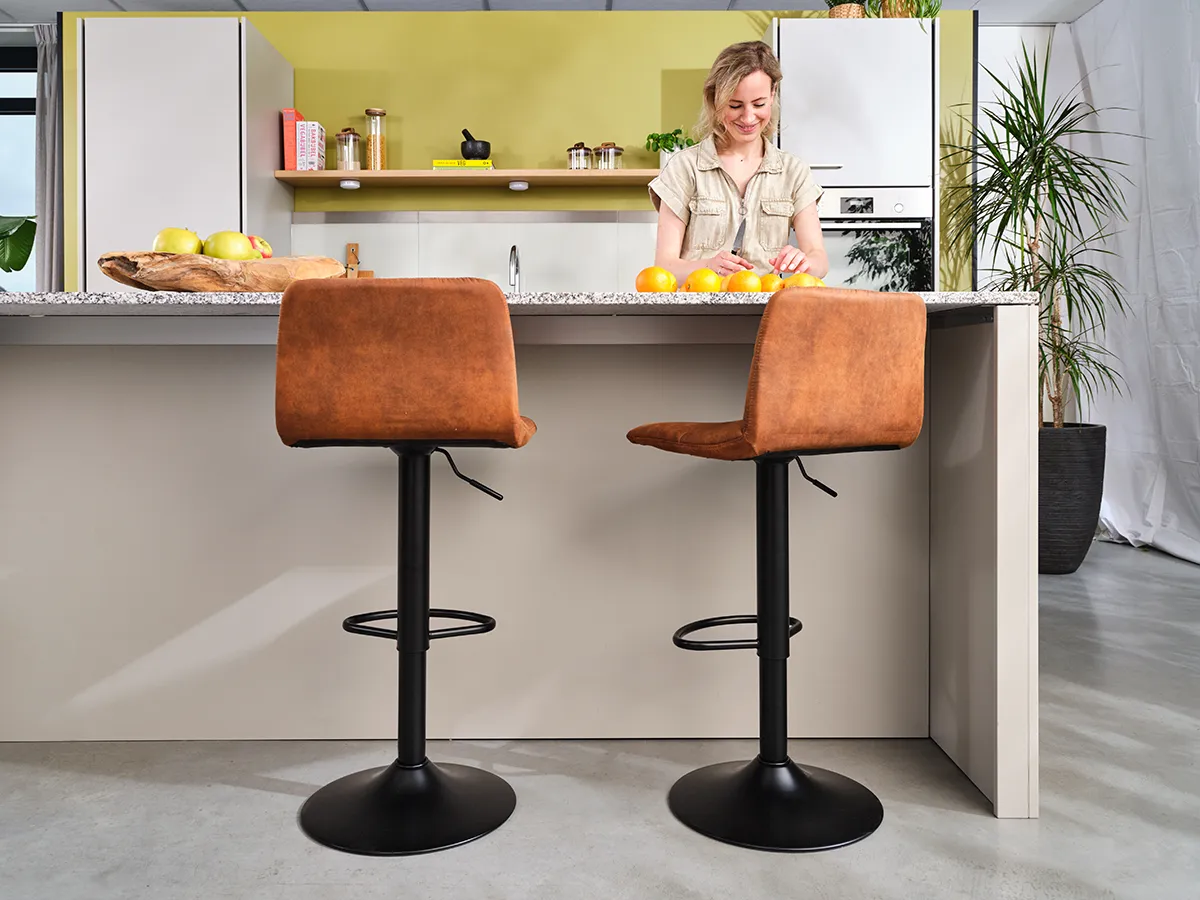
"Our space in Gilze allows for four to five showroom kitchens," continues Rombouts. "The so-called 'investor kitchen' does need to be immediately visible when people step into the space. That is why there is also a kitchen island. But beyond that, we also thought carefully about the walking and viewing route to properly guide the professional buyer into the circular story. In doing so, we also always take a look at our mini-museum set up right next to the showroom, where we show where we come from and how we work with the frames, around which we build the kitchens. By definition, that always gives a lot of insight. That's often where the "aha-erlebnis" is. It suddenly becomes practical and visible." The kitchens that Chainable supplies to the market mainly find their way towards the social segment and the free rental sector or care institutions. Almost always through housing corporations.
In any case, the goal of Rombouts and his colleagues is tightly formulated. "In the future, as far as I am concerned, no more traditional cuisine should be sold throughout Europe. We want to get the market moving. Of course, from our entrepreneurial perspective, we are deliberately betting on a growth path, but we particularly want to change the market. For example, in five years we hope to be able to deliver 5,000 kitchens a year and we assume that our kitchen system, which is easily scalable due to its frames, has become an example for the rest of the industry. We want to be the benchmark on impact by 2030."
When Rombouts is asked where his "sense of sustainability" and accompanying ambition come from, he points to his lifelong interest in Sustainable Business & Innovation. "I have always worked at the intersection of economic profitability and ecological gain. Circularity contributes to the livability of our planet. And we want to inspire everyone in the chain with it. Our credo: 'Away with disposable kitchens!' In our showroom we explain it."
Question about this story? Ask your question
Keep following this
Get an email when a new story is published. No account needed.
- ThemeTowards a more sustainable kitchen
- SubjectGeneral