Platform about design and technology in the kitchen, home, and bathroom industry

There are increasingly different requirements for lighting
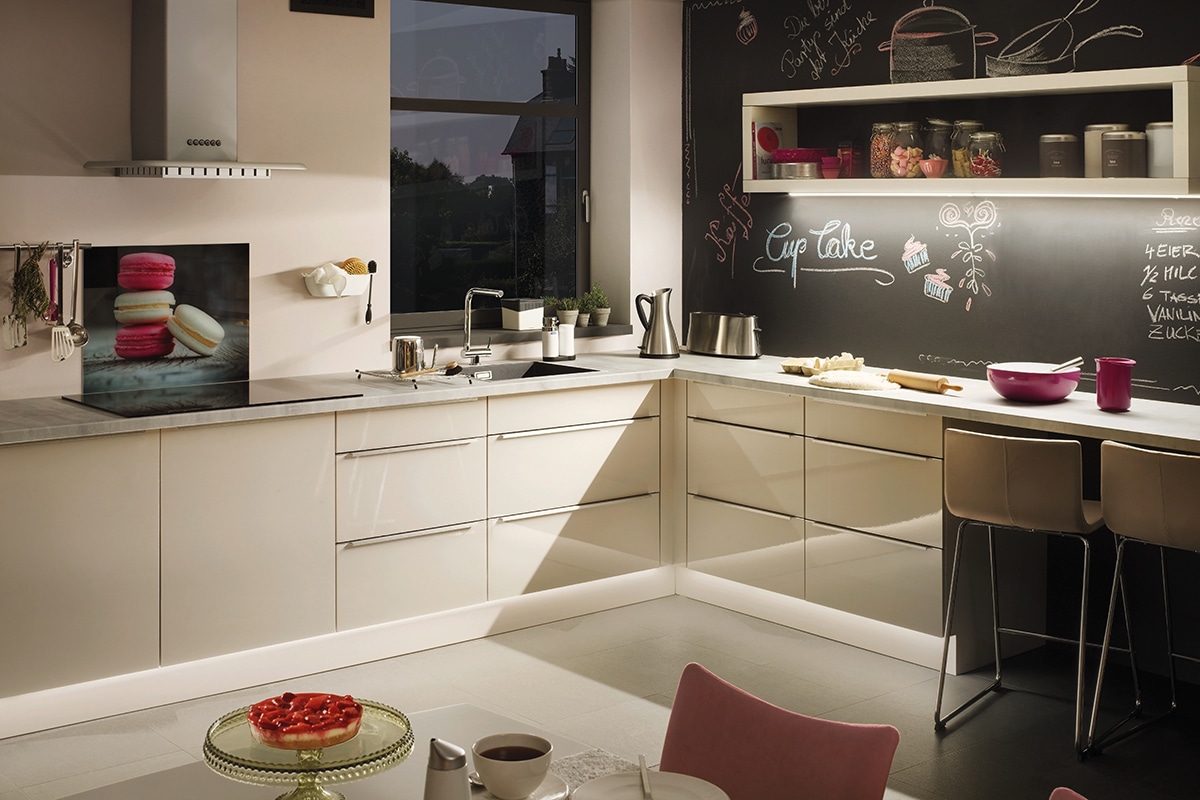
No room in the home is used as frequently and as diversely as the kitchen, with ever-changing lighting expectations. Classic luminaires do not always meet these requirements. Naber is now further expanding its LIC LED system with the versatile MEC converter system.
Preparing meals, making home tasks, atmospheric welcoming guests to even home office. The kitchen is the multipurpose room of the home; something happens there all day long. So the lighting has to be full on, too, with ever-changing demands. "The flexible LIC LED system is the solution with which an individual lighting solution can be created," indicates Martin Staaks, Head of Product Manangement at Naber. "We are further simplifying the system and making connection to existing systems even easier with the new MEC converter system. The MEC converter converts mains voltage to the voltage used by LED lamps. What makes our converter so special? It can supply both 12 and 24V, separately or both at the same time."
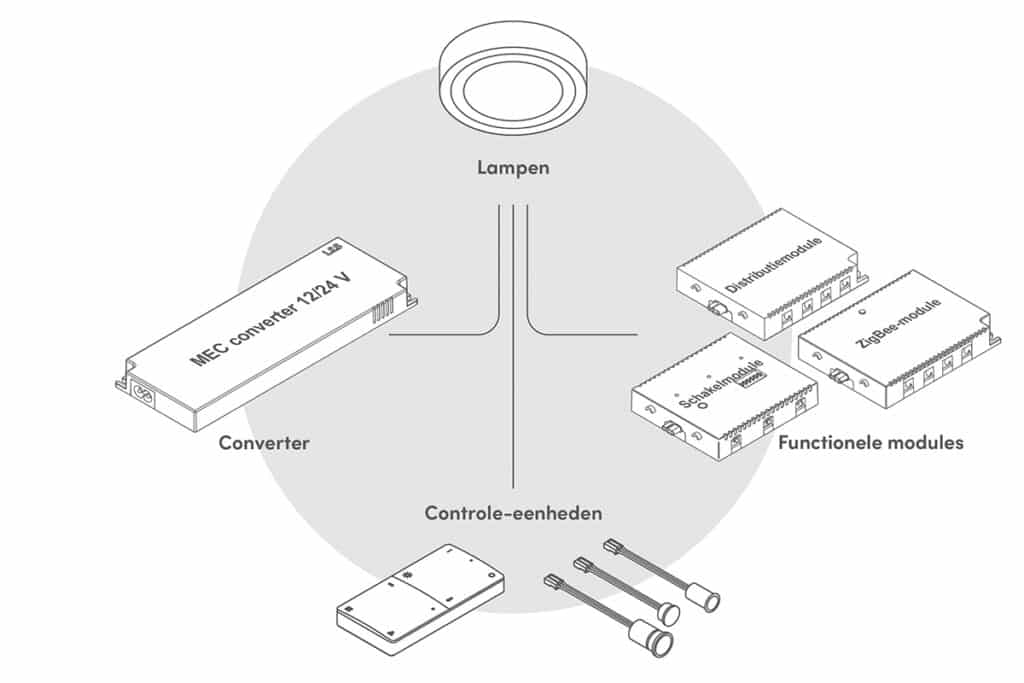
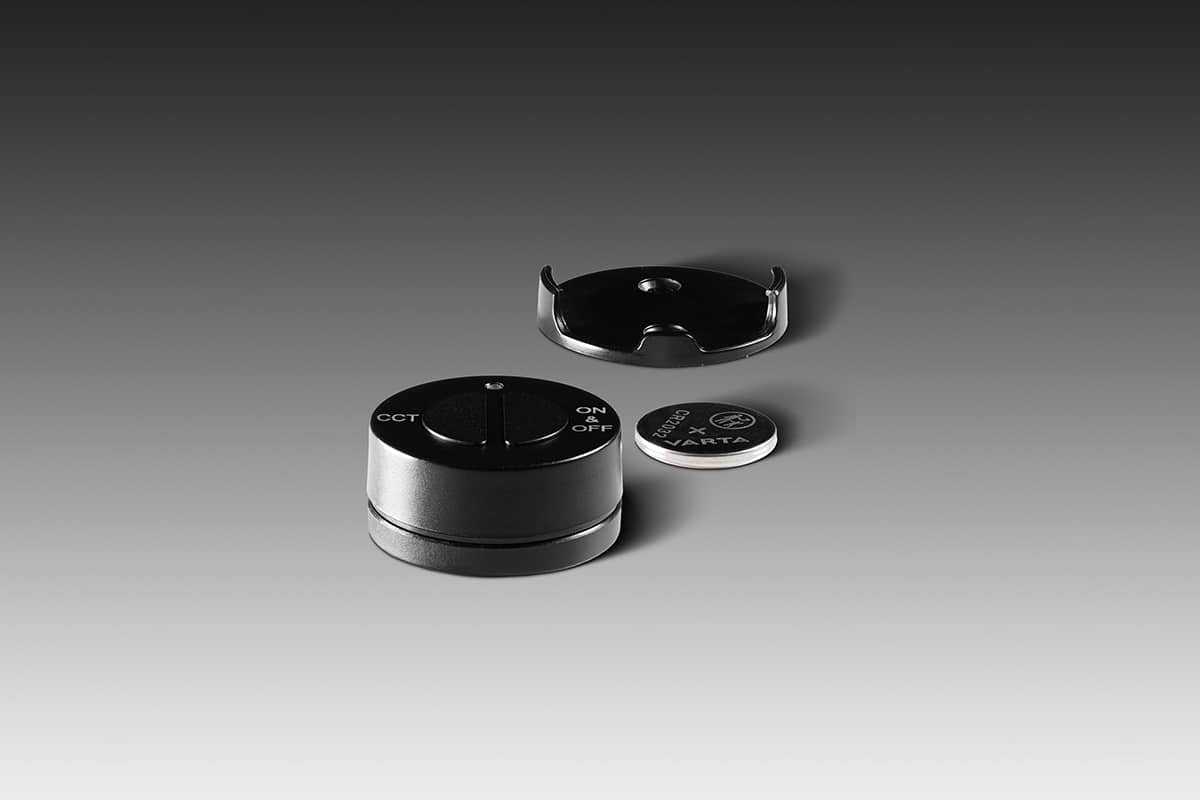
Lamps, converters, function modules and control units. These are the building blocks of any LIC LED lighting plan. The flexibility of the system stands out. Lamps can be switched individually or in groups. The creation of lighting scenes, e.g. "cooking," "eating," "working at home," offers additional personalization. Moreover, these can be invoked at the touch of a button or by voice command. Staaks: "To the layman, that may sound a bit complicated, but the plug-and-play technology keeps it quite simple. And if the combinations of lamps and lamp groups become a bit more extensive or complex, the new MEC converter will certainly prove its worth."
Installers are already experiencing the great benefits of the aforementioned flexibility. "Central or decentralized installation, expansion with additional converters," Staaks lists. "Moreover, the entire LIC LED system, including our new MEC converter, is compatible with existing Smart Lighting systems such as Philips Hue or Bosch Smart Home. The light thus becomes controllable via an app and voice commands as well as fully programmable within existing home automation."
Neem dan rechtstreeks contact op met Naber.
 Contact opnemen
Your source of inspiration for kitchen accessories and interiors The overall concept of modern kitchen planning constantly poses new challenges to the design and functionality of the equipment of accessories and interiors. Those who do not want to settle for the usual offer opt for Naber as supplier and developer of future-oriented solutions. For products which through cutting-edge technology and [...]
Bekijk Bedrijfsprofiel